
Plant systems
Equipment & systems
Everything around the mixer, supplied with a complete plant or on its own to upgrade an existing one. Tell us what you already have and we match the interfaces.
Aggregate feeding & drying
Steady cold feed and enough drying capacity decide the real output of any plant — wet aggregate cuts tonnage before the mixer ever does.
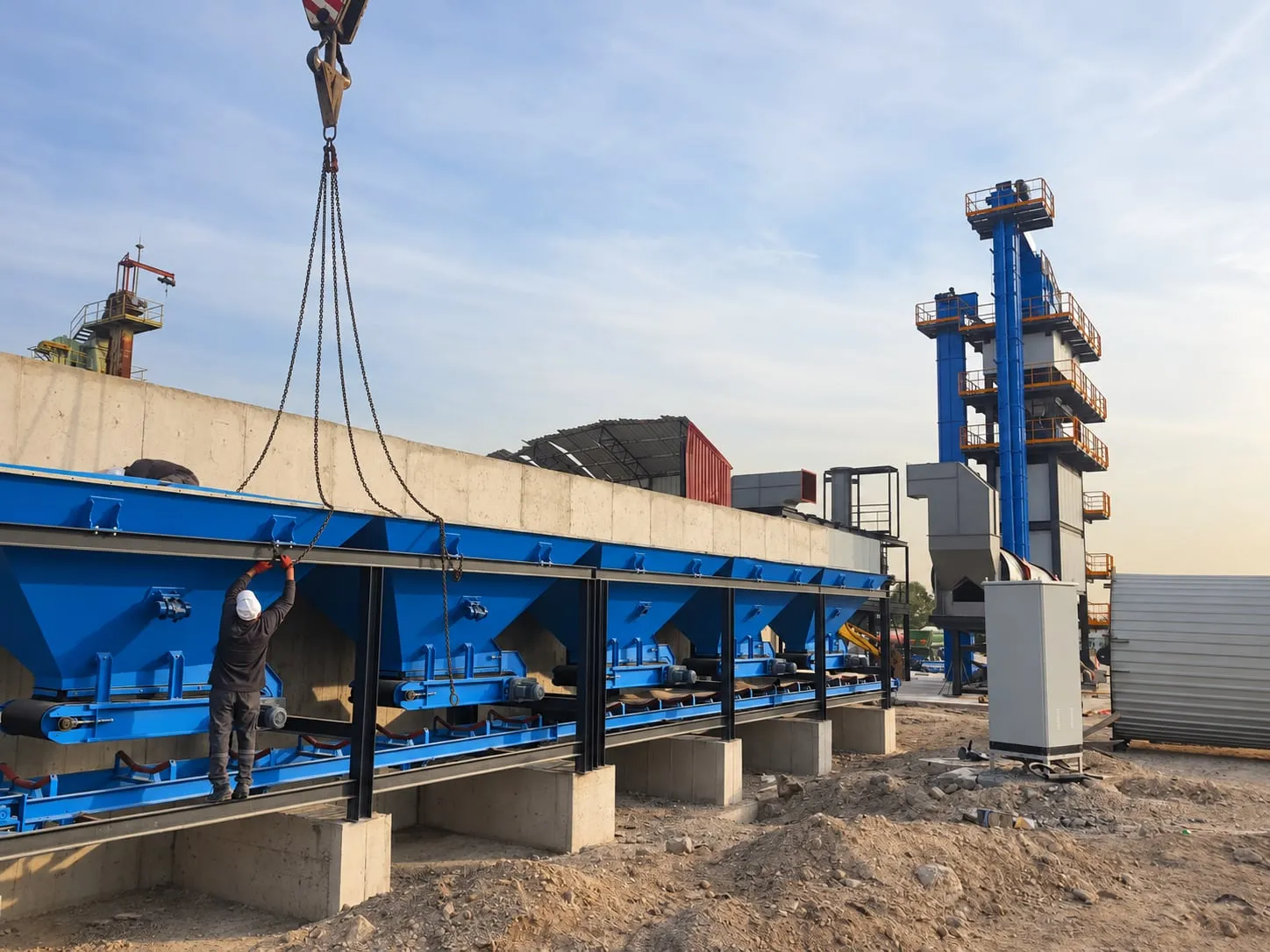
Cold feed bins
One bin per aggregate size with variable-speed belt feeders, so the gradation entering the drum stays close to the recipe.
Tell us: Number of sizes, loader bucket width, bin covers for rainy seasons
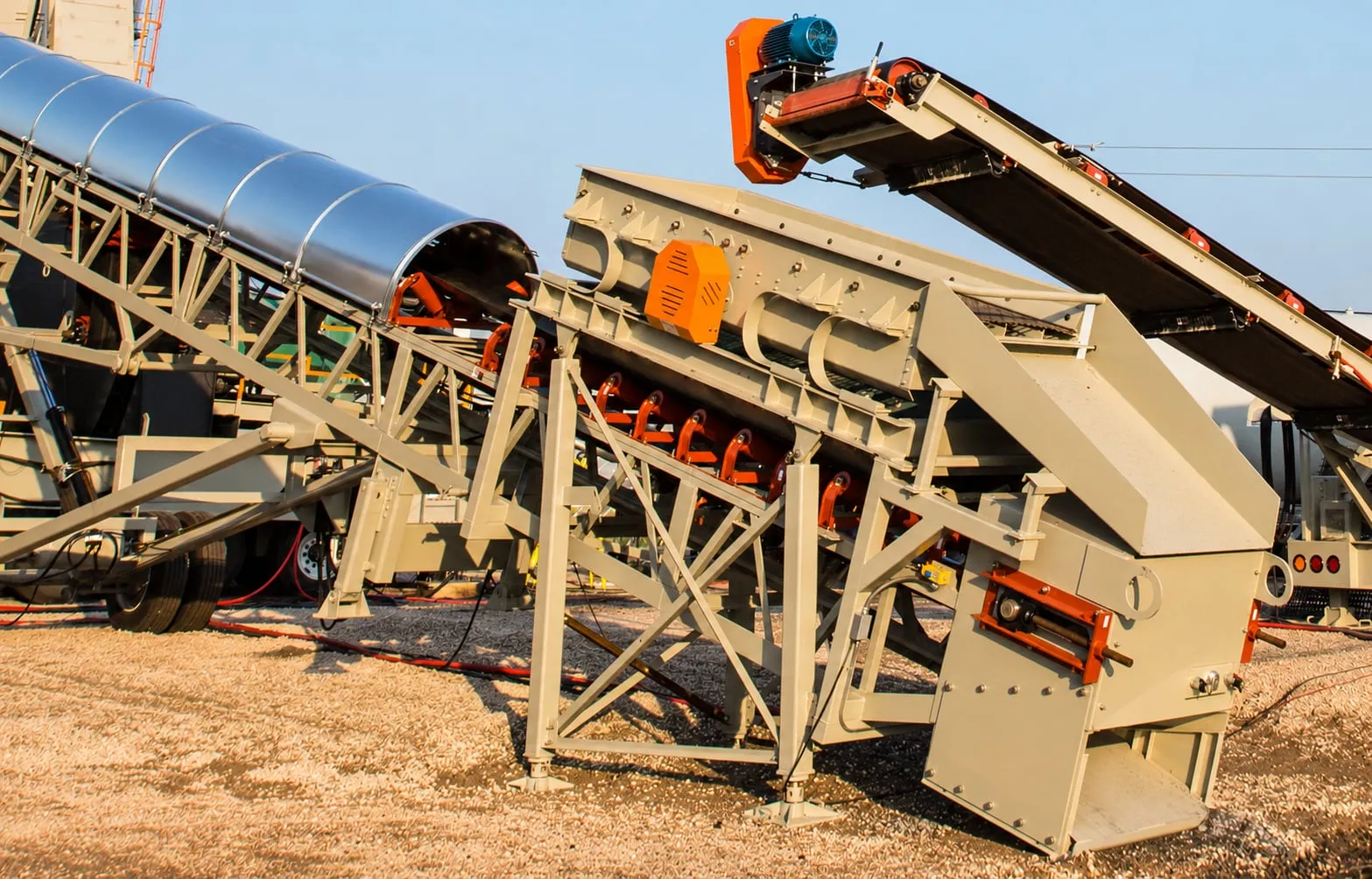
Belt conveyors & scalping screen
Collecting and inclined belts carry the blend to the dryer; a scalping screen removes oversize stones and lumps first.
Tell us: Maximum stone size, conveyor length and site levels
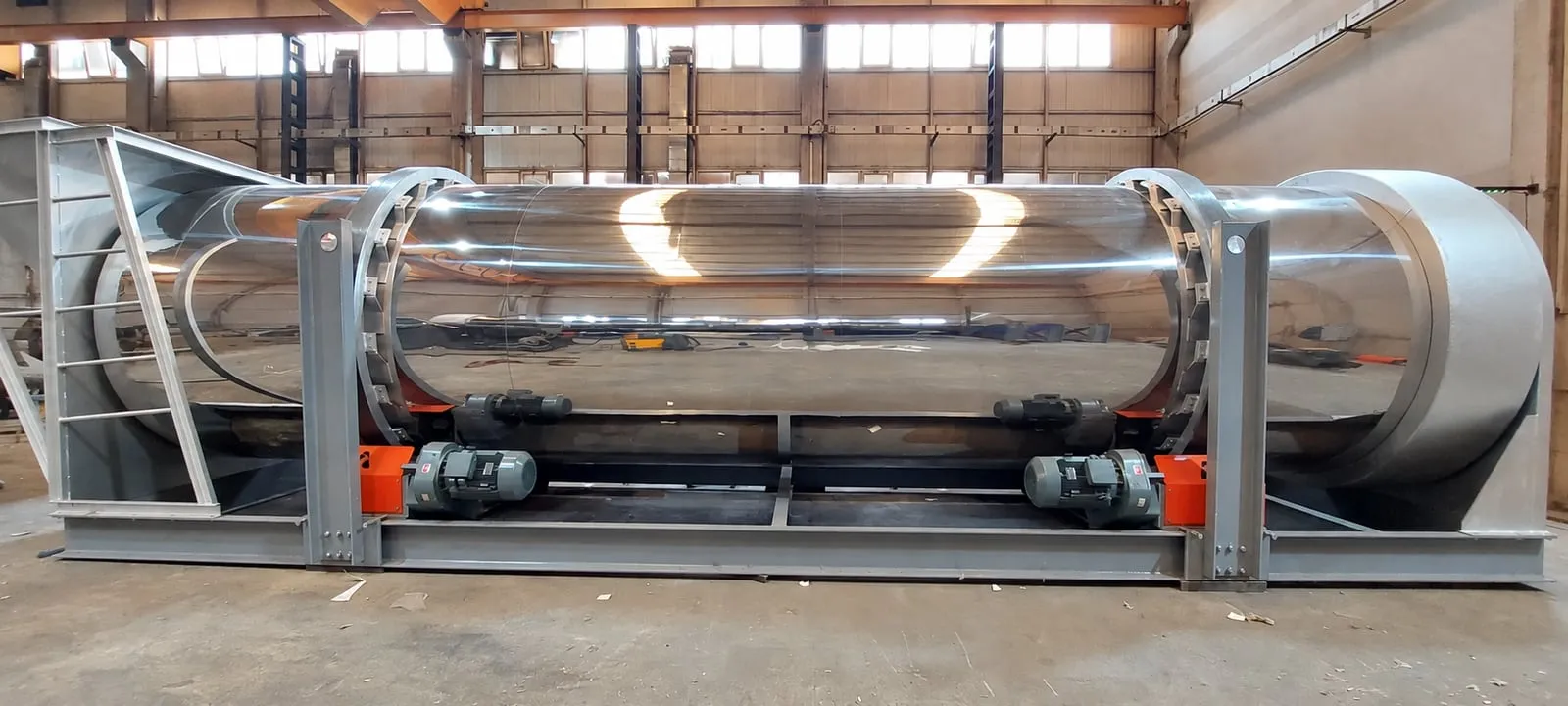
Drying drum
Lifting flights shower the aggregate through the hot gas stream; drum size is matched to output, moisture and discharge temperature.
Tell us: Typical aggregate moisture, target mix temperature, altitude
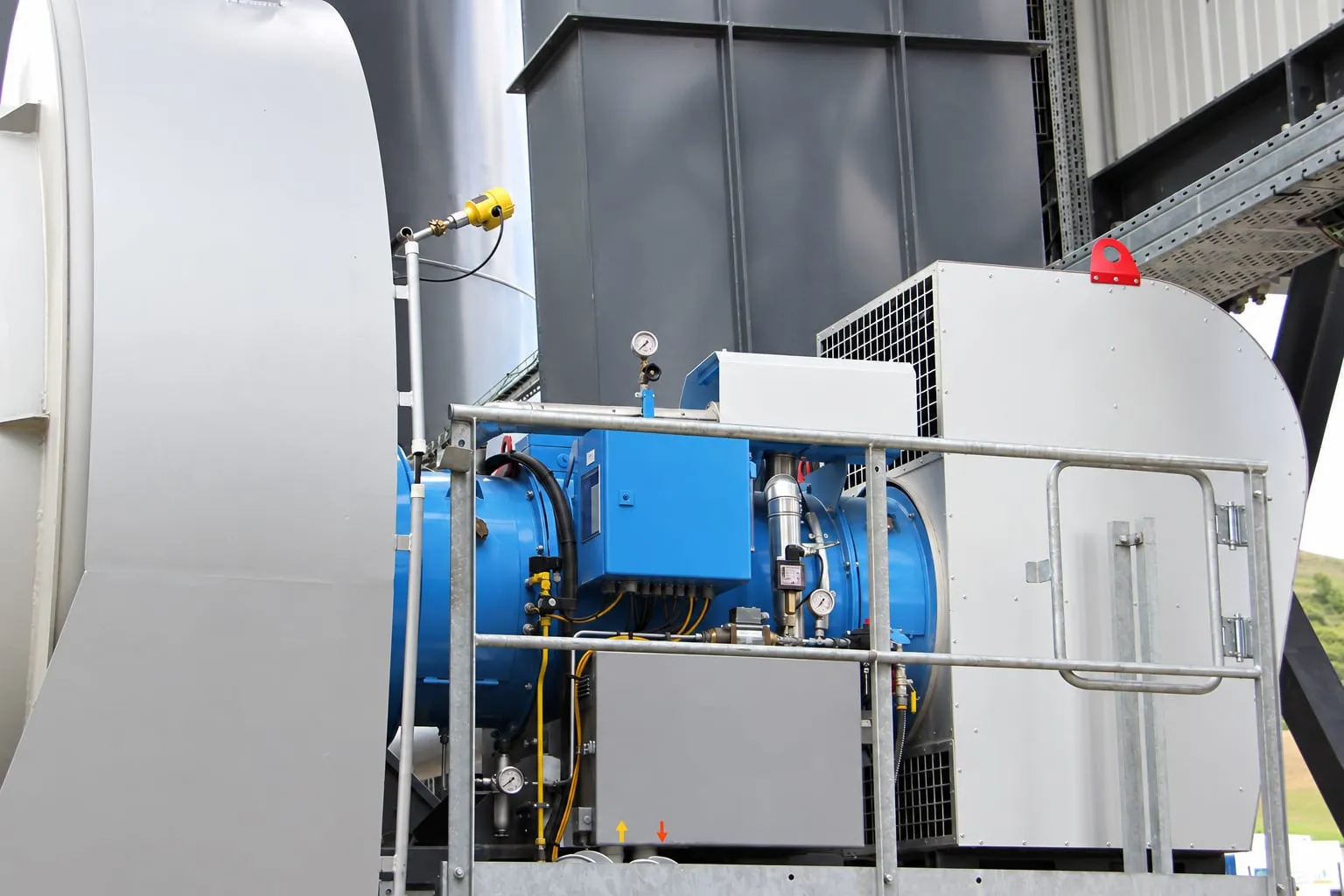
Burners & fuel supply
Burners for heavy oil, natural gas or coal powder, with fuel pumps, filters and flame safety controls.
Tell us: Fuel available on site, its quality and supply pressure
Screening, weighing & mixing
The heart of a batch plant: hot aggregate is split by size, every component is weighed per batch and mixed under forced action.
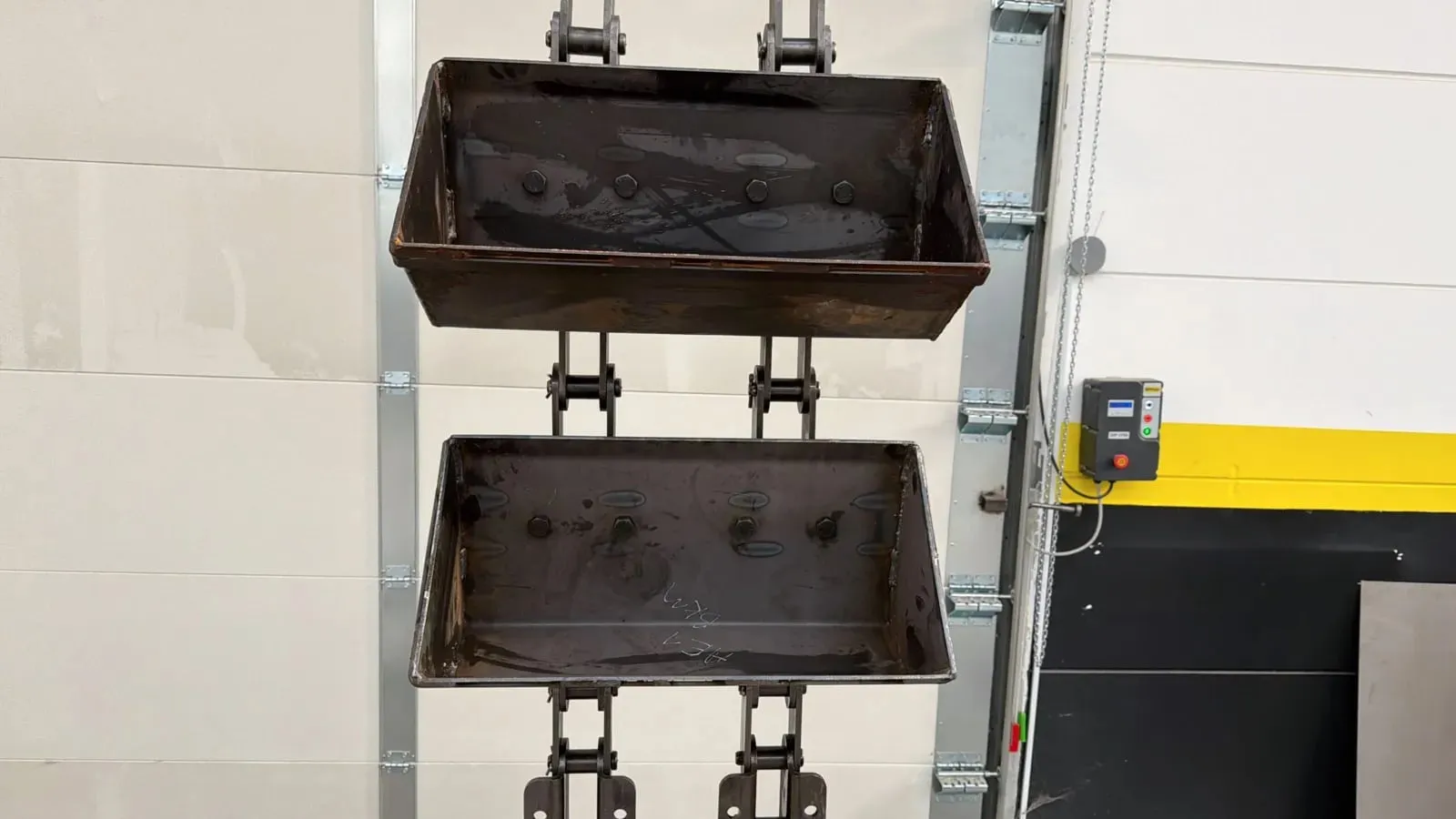
Hot aggregate elevator
Chain bucket elevator lifting hot aggregate from the drum to the screen at the top of the tower.
Tell us: Plant capacity and tower height
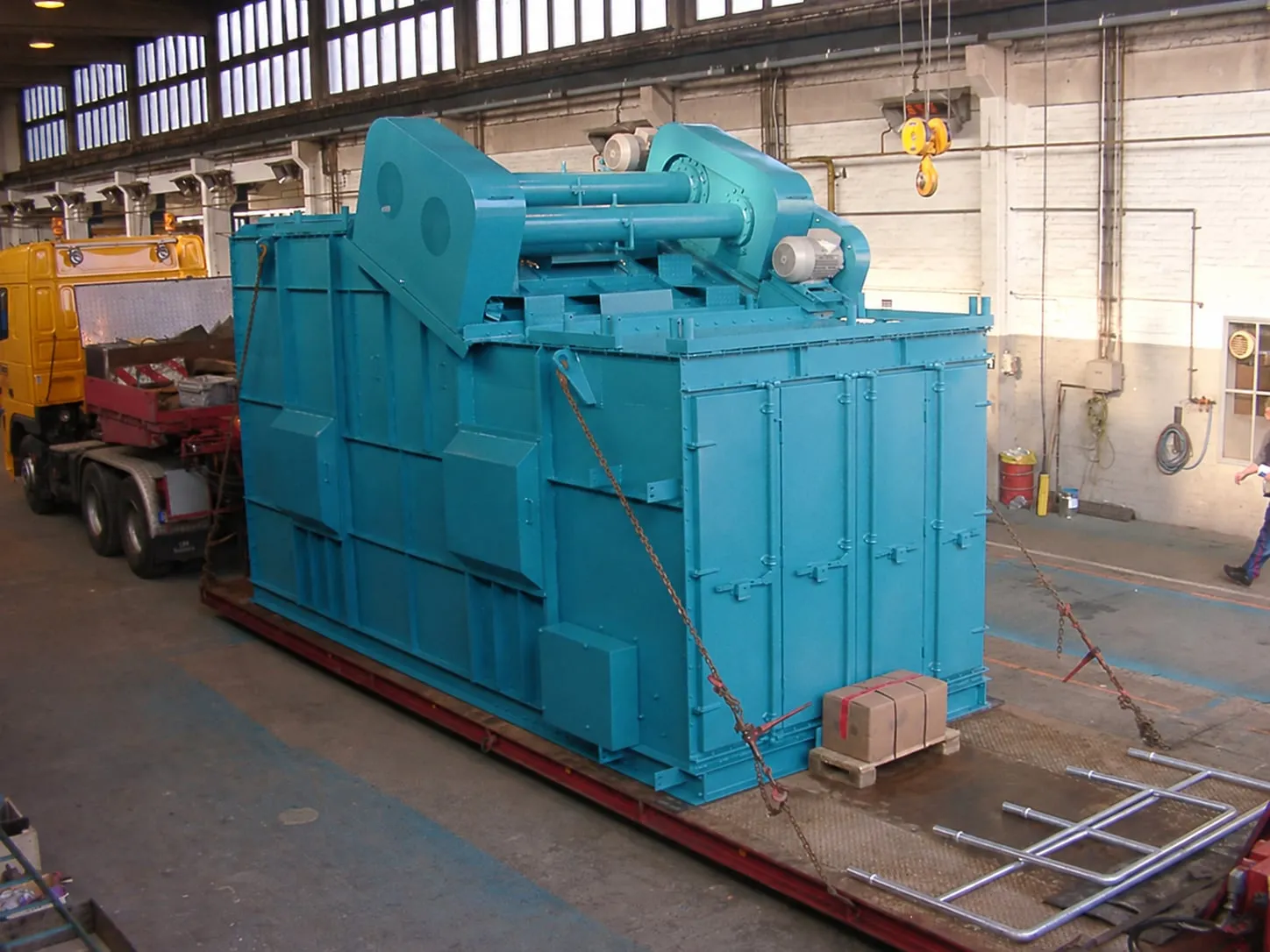
Vibrating screen
Multi-deck screen that separates hot aggregate into fractions and rejects oversize material.
Tell us: Mix types and number of hot fractions needed
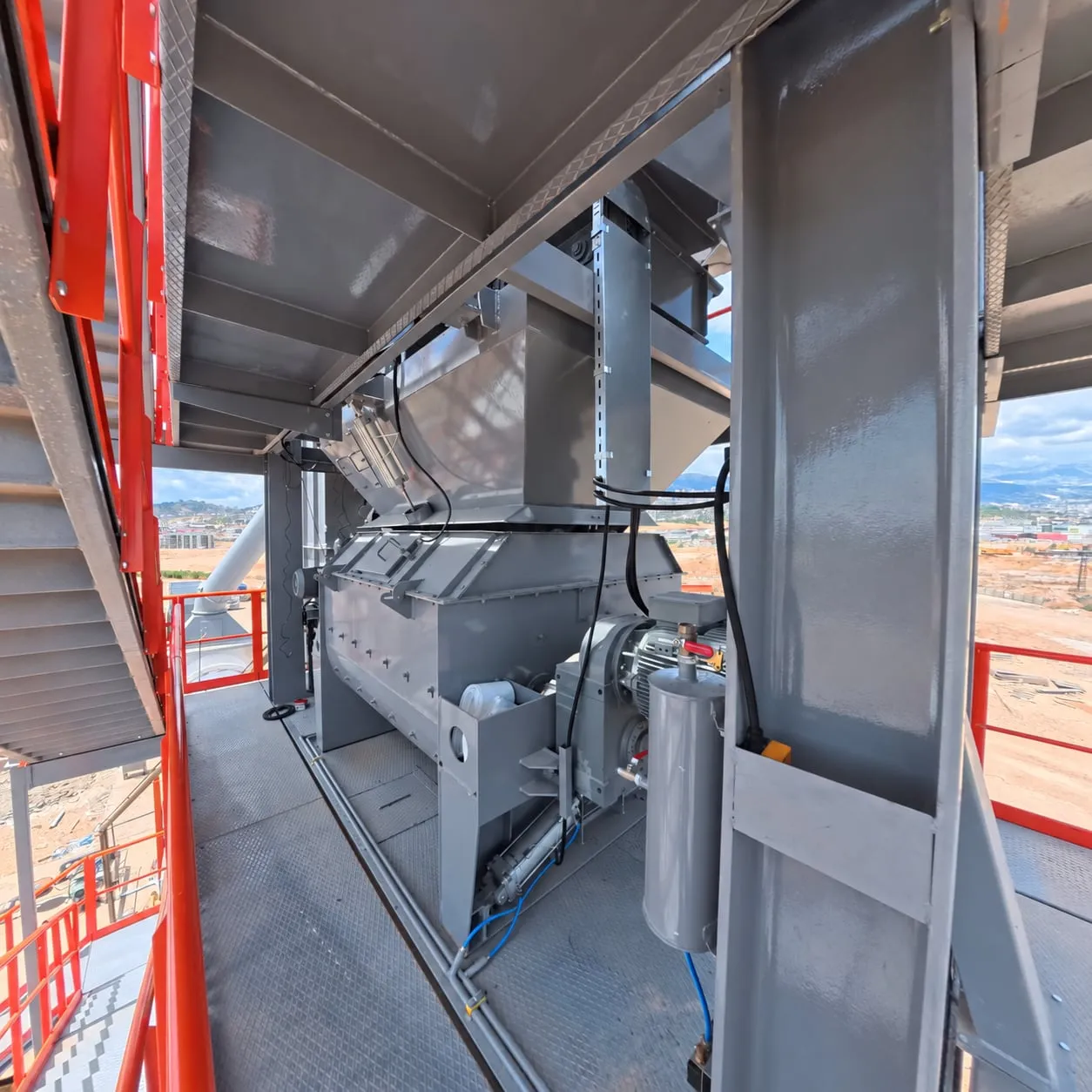
Weighing hoppers
Separate scales for aggregate, filler and bitumen, so each batch can be checked against the recipe.
Tell us: Accuracy requirements in your specification, calibration method
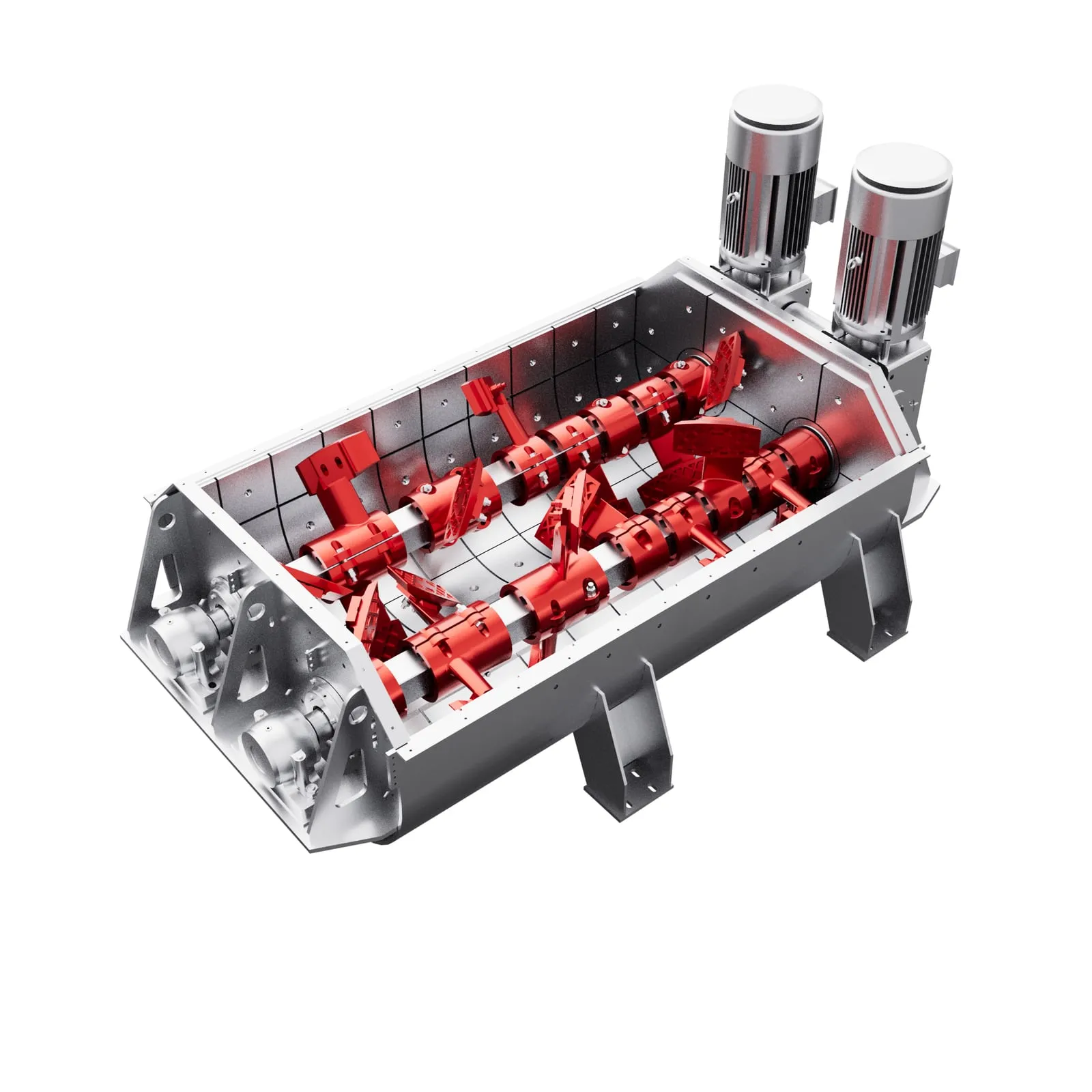
Twin-shaft mixer
Paddle mixer with replaceable wear parts; batch size follows the plant capacity.
Tell us: Target batch time, additives or fibres added at the mixer
Filler & additives
New filler, reclaimed baghouse dust and additives are stored and dosed separately, so each can be controlled on its own.
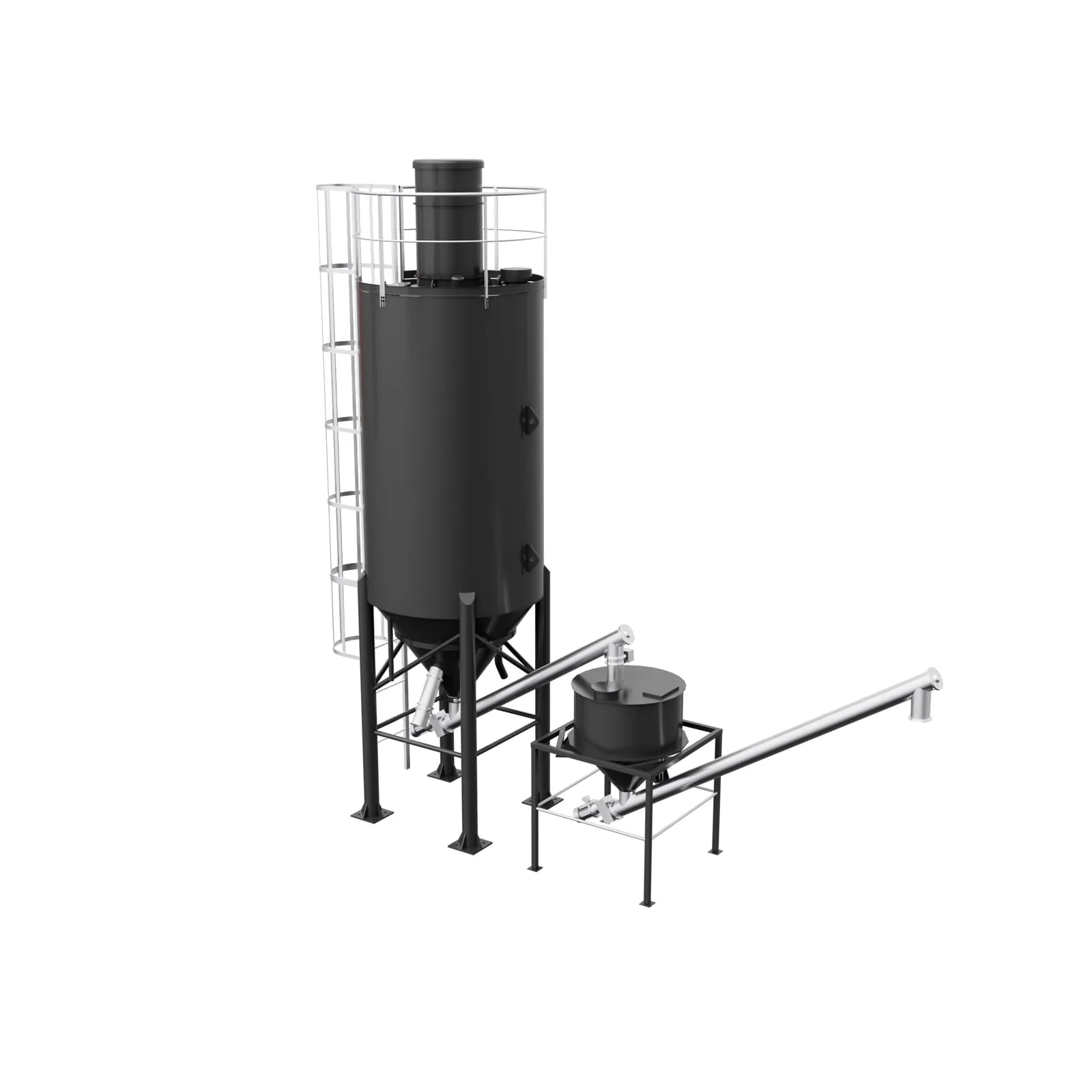
Filler silos & screw conveyors
Silos for imported filler and reclaimed dust, with screw conveyors to the filler scale.
Tell us: Filler source, delivery method (bulk truck or bags), required storage days
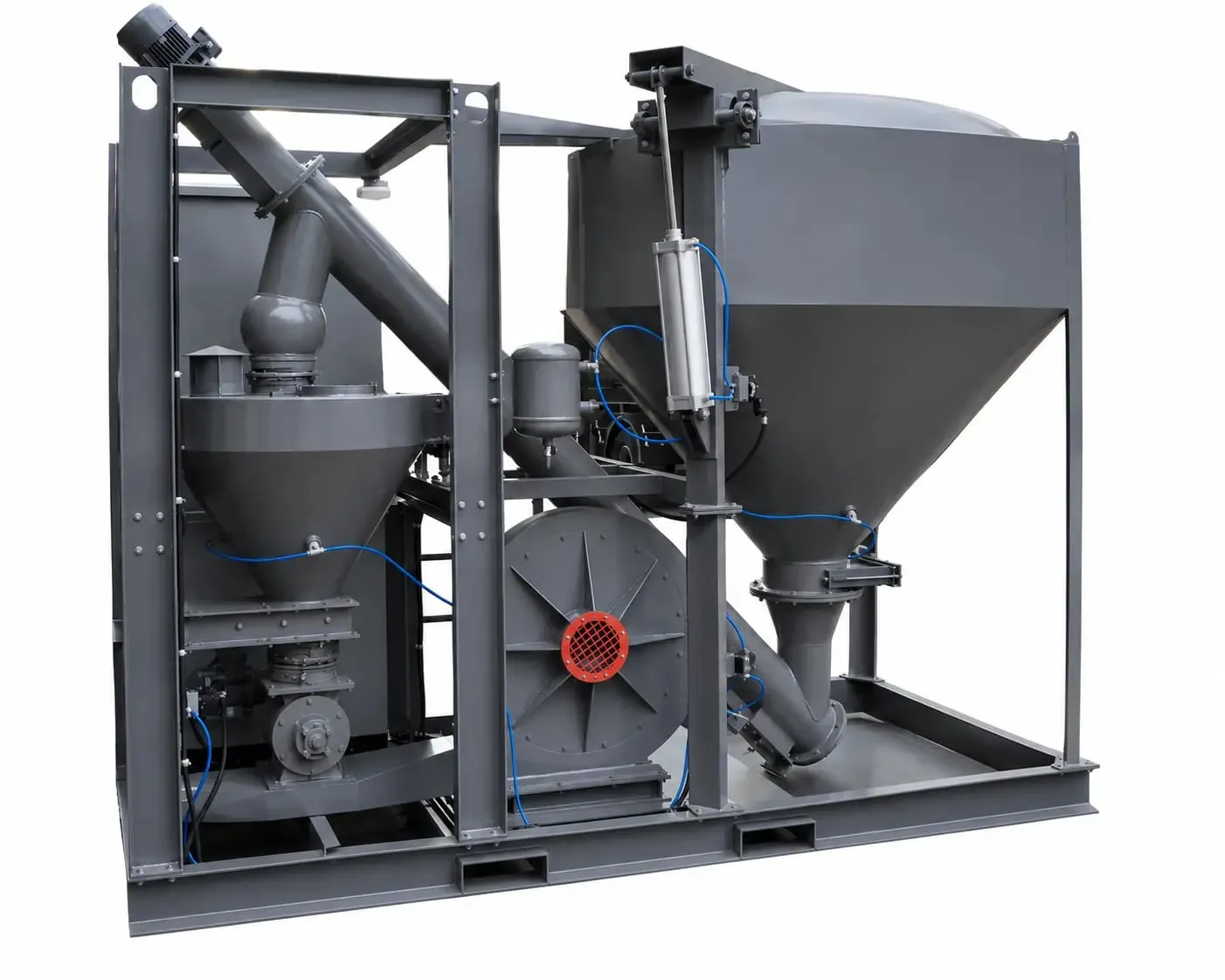
Fibre & additive dosing
Dosing units that blow cellulose fibre or granular additives into the mixer for SMA and special mixes.
Tell us: Additive type and dosage per batch
Bitumen storage & processing
How bitumen arrives — bulk tanker, drums or bags — and whether you need modified binder or emulsion decides this part of the plant.
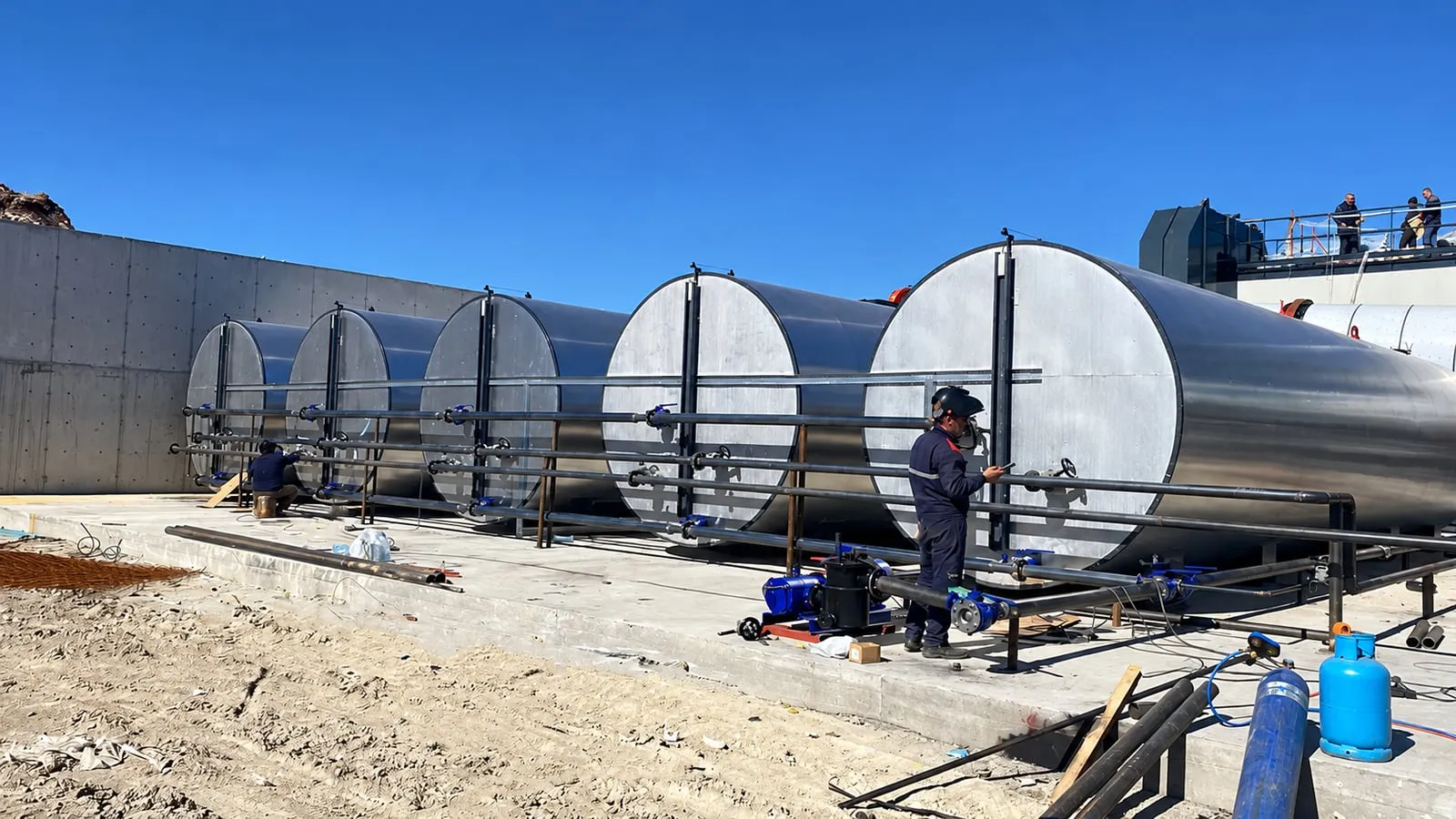
Bitumen storage tanks
Insulated horizontal or vertical tanks with heating coils, level gauges and circulation piping.
Tell us: Storage volume, number of binder grades, delivery by tanker or drums
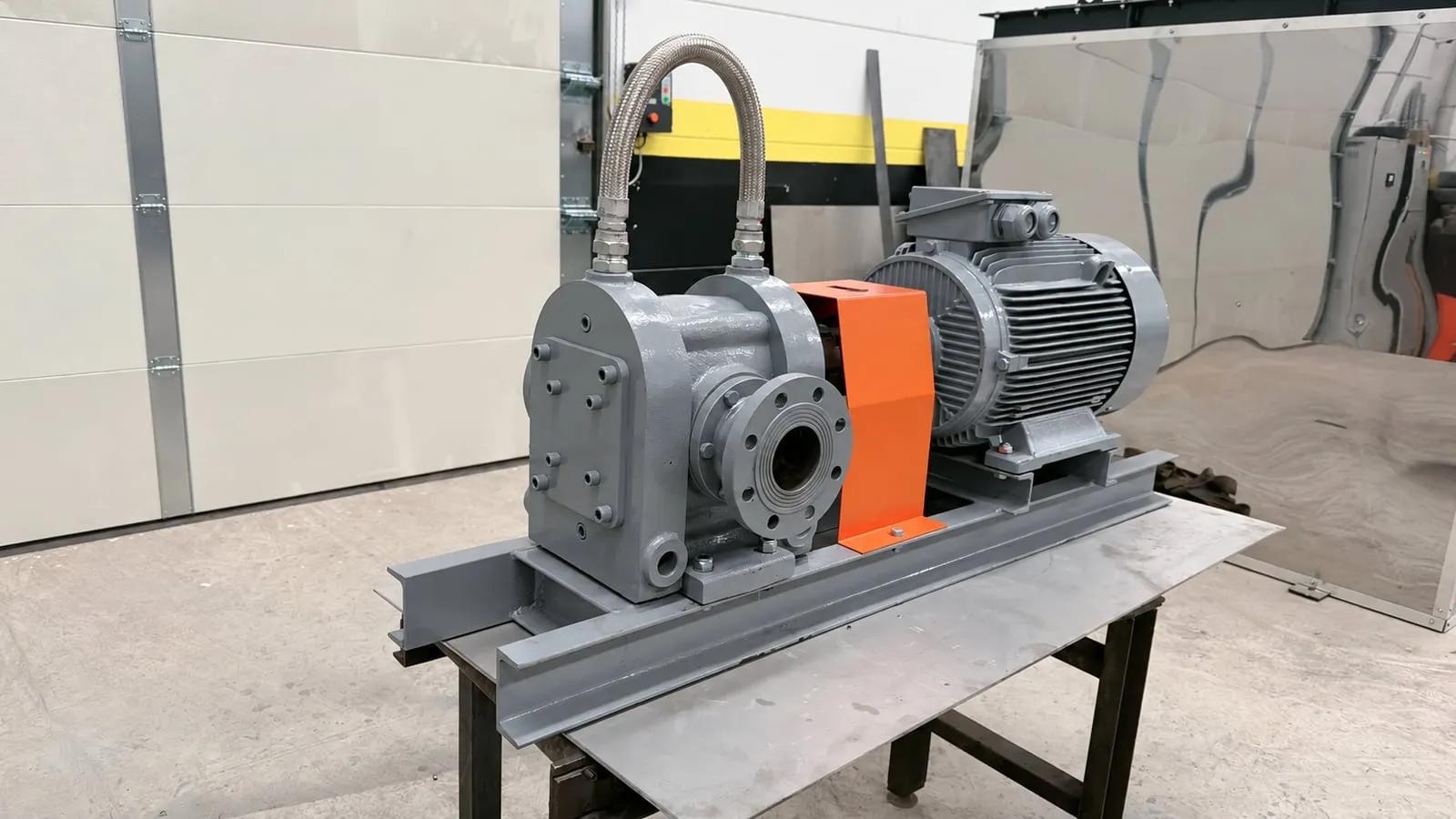
Bitumen pumps & valves
Jacketed gear pumps and three-way valves that keep bitumen flowing between tanks and the plant.
Tell us: Binder grade and pumping distance
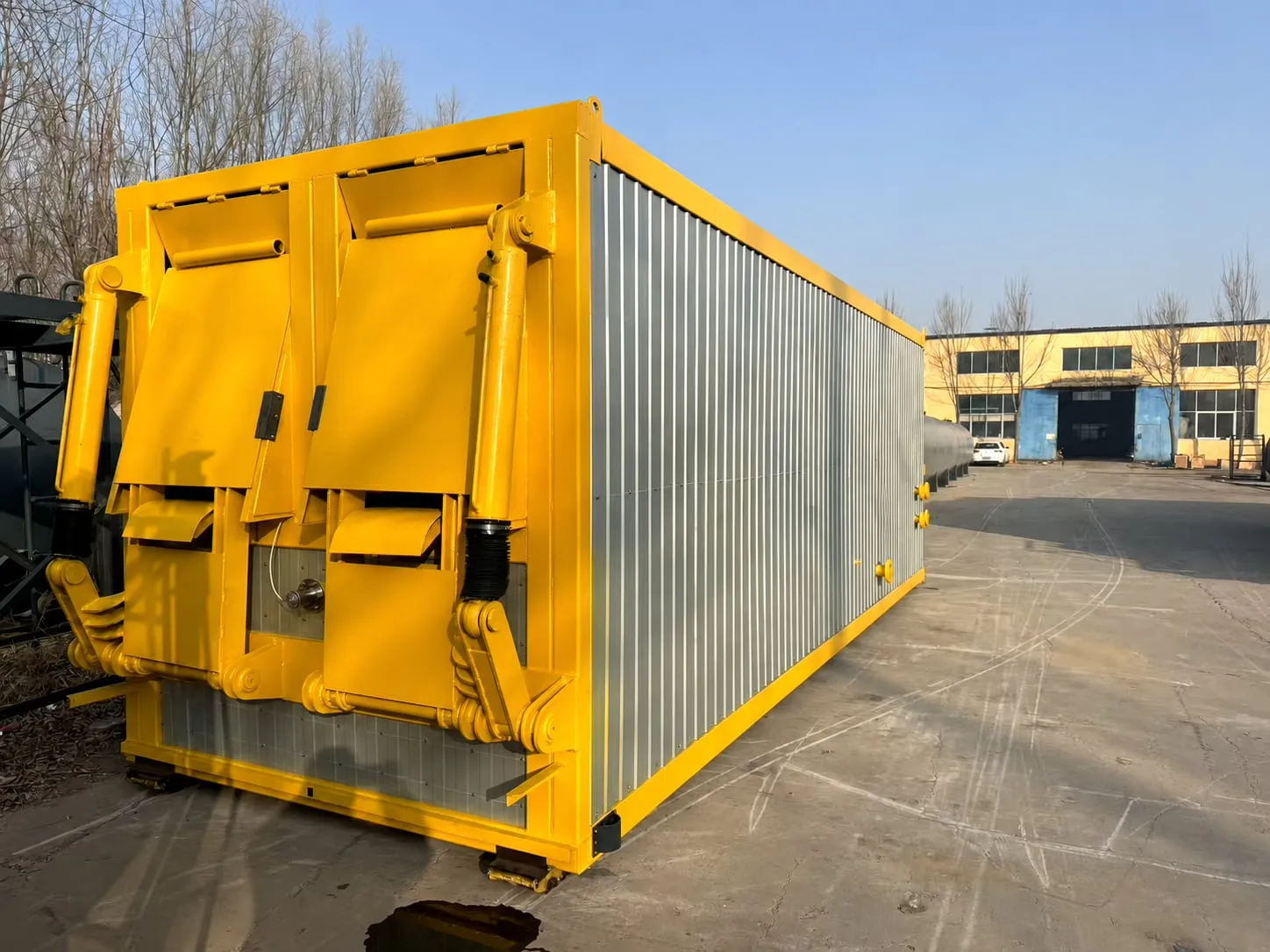
Drum & bag bitumen decanter
Heated chamber that melts bitumen out of steel drums or bags where bulk supply is not available.
Tell us: Package type and daily bitumen consumption
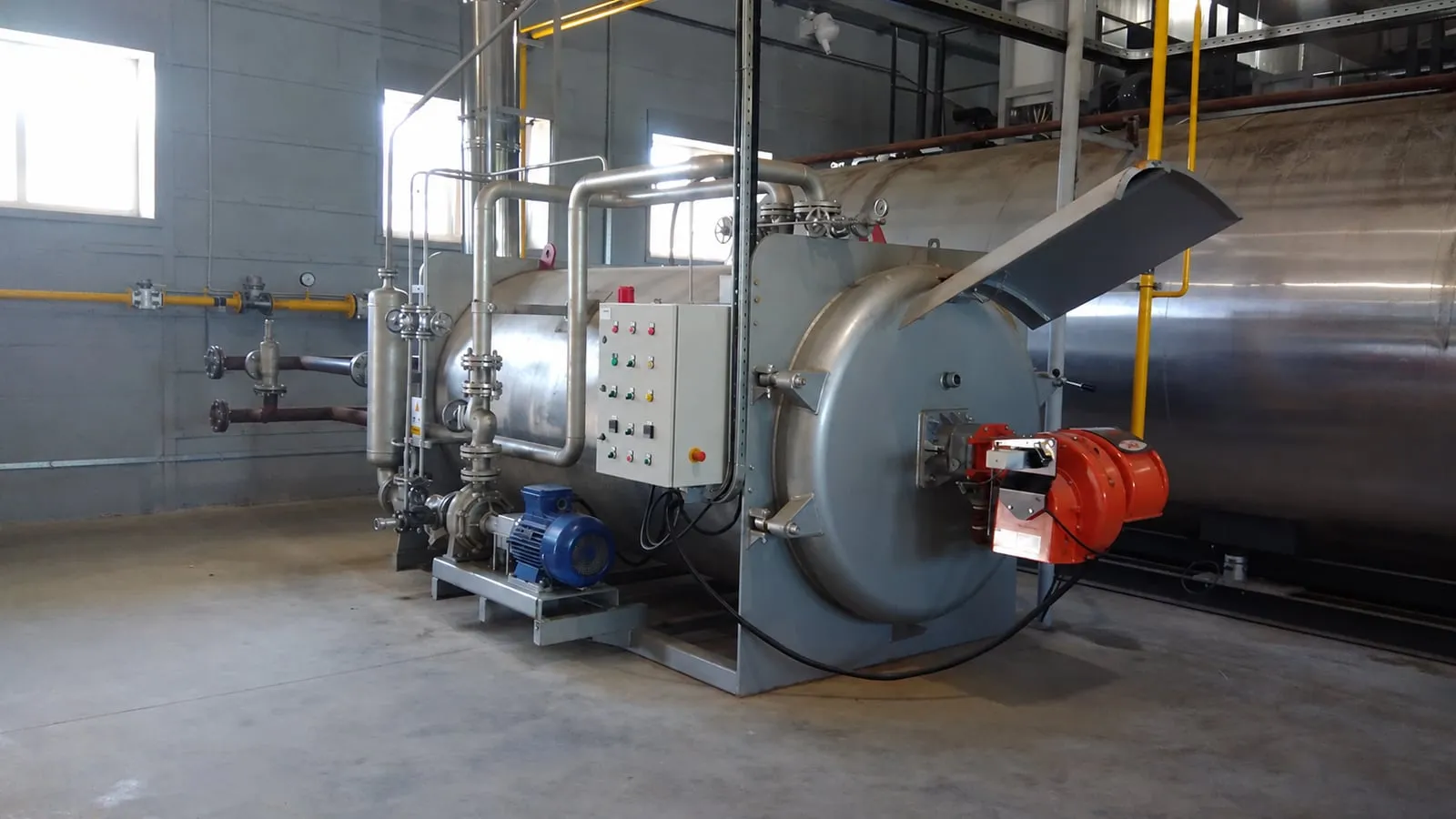
Thermal oil heater
Oil- or gas-fired heater that circulates thermal oil to tanks, pipes and pumps.
Tell us: Fuel for the heater and total heated volume
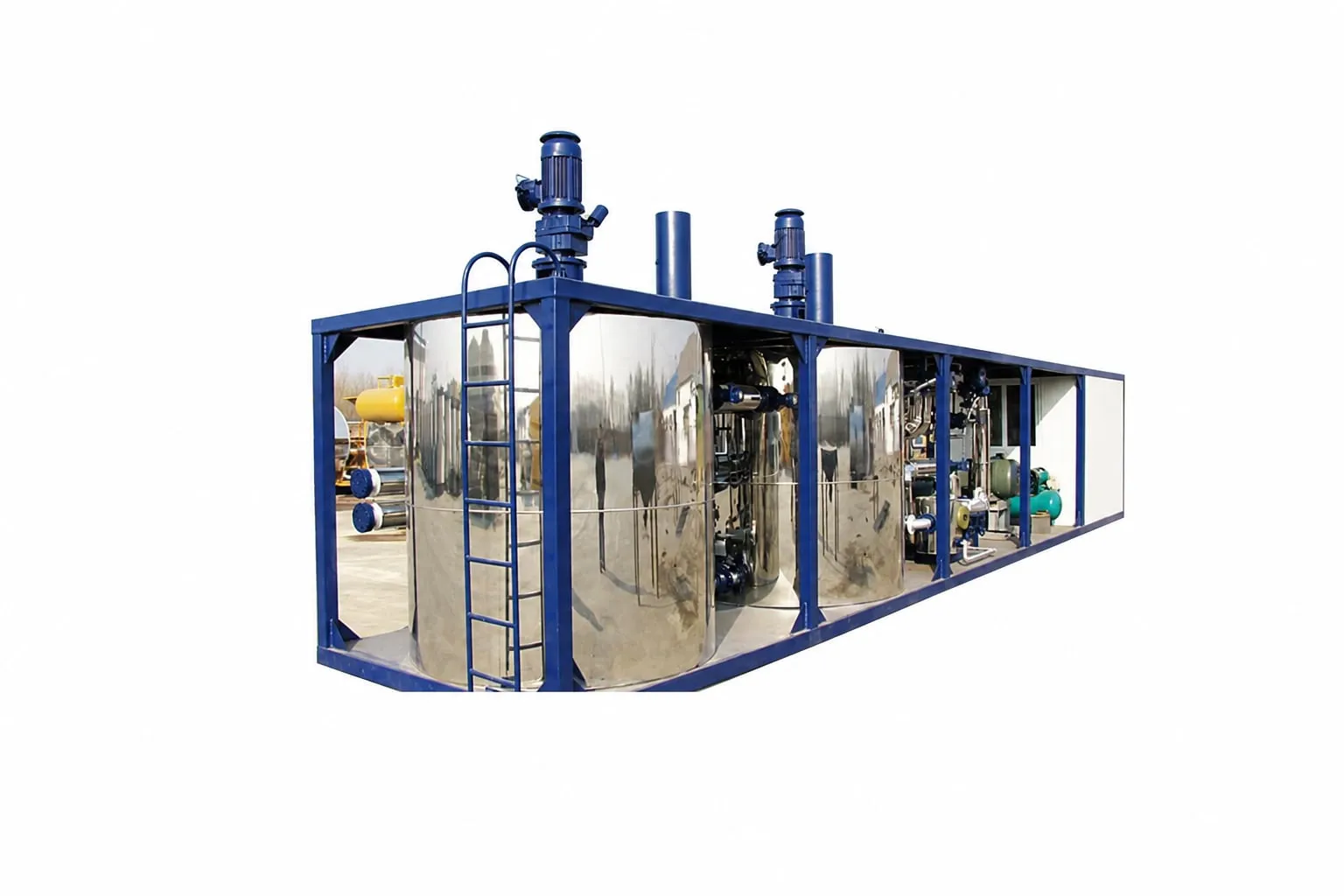
Modified bitumen plant
Mixing and milling unit for polymer-modified bitumen (PMB) produced next to the asphalt plant.
Tell us: Polymer type, required output and binder specification
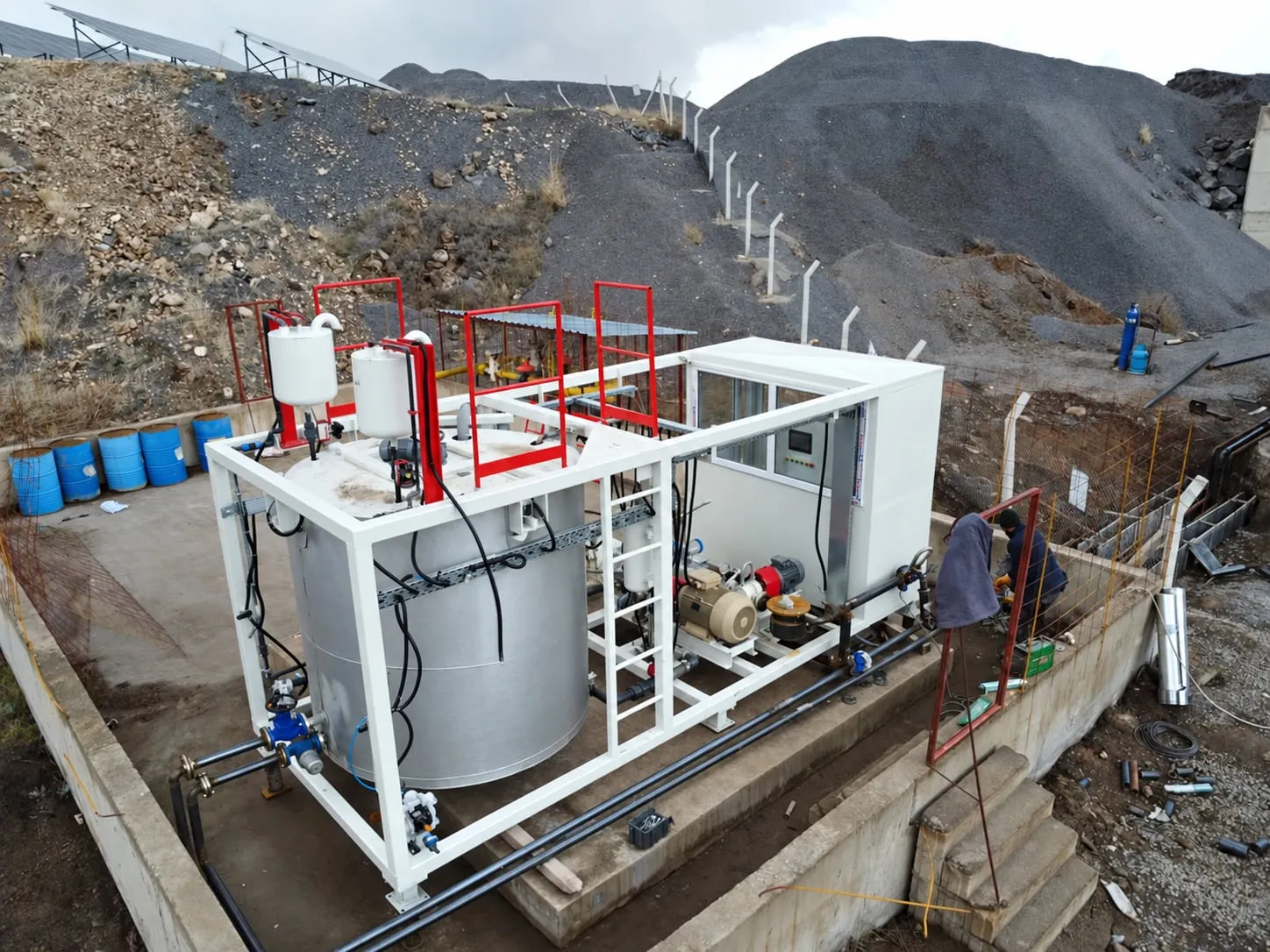
Bitumen emulsion plant
Compact unit producing emulsion for tack coats, prime coats and maintenance work.
Tell us: Emulsion type and daily volume
Dust control & emissions
Dryer exhaust, filler handling and bitumen fumes are three different problems; each needs its own collection point.
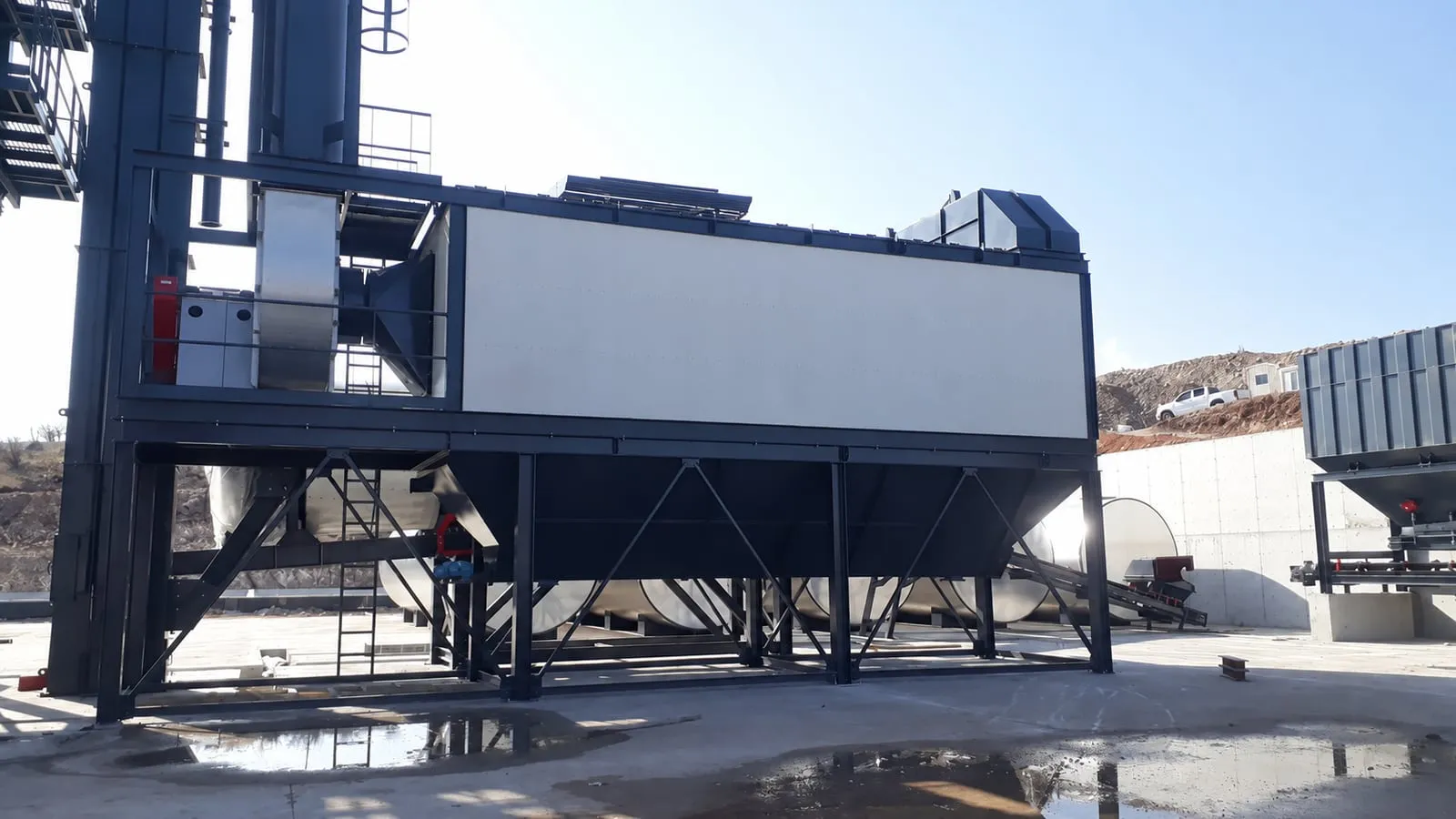
Baghouse dust collector
Bag filter cleaning the dryer exhaust; collected fines return to the filler system or go to waste.
Tell us: Local emission limits and how reclaimed dust will be used
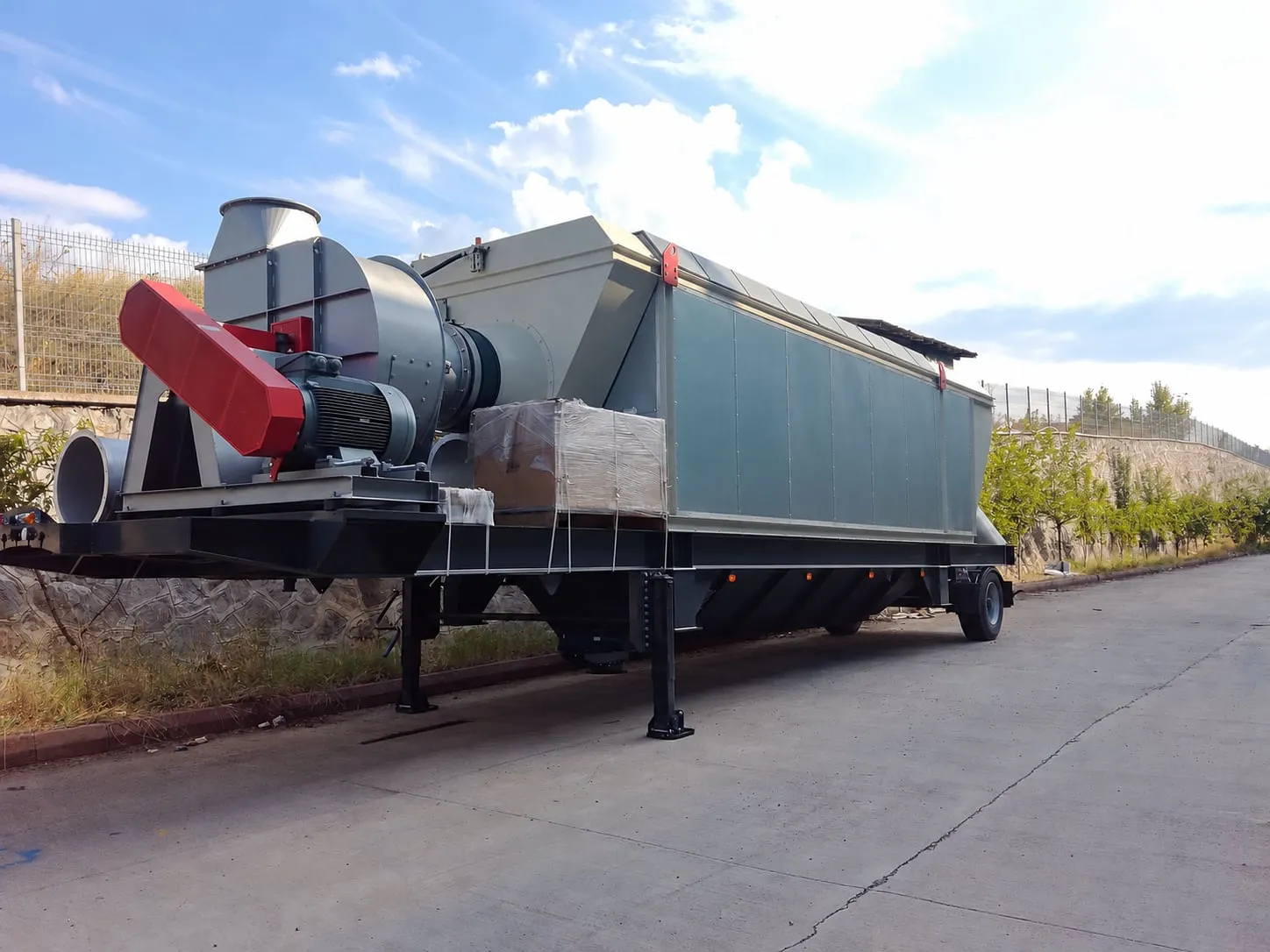
Trailer-mounted baghouse
Baghouse built on its own chassis for mobile plants that move between job sites.
Tell us: Road transport limits on your route
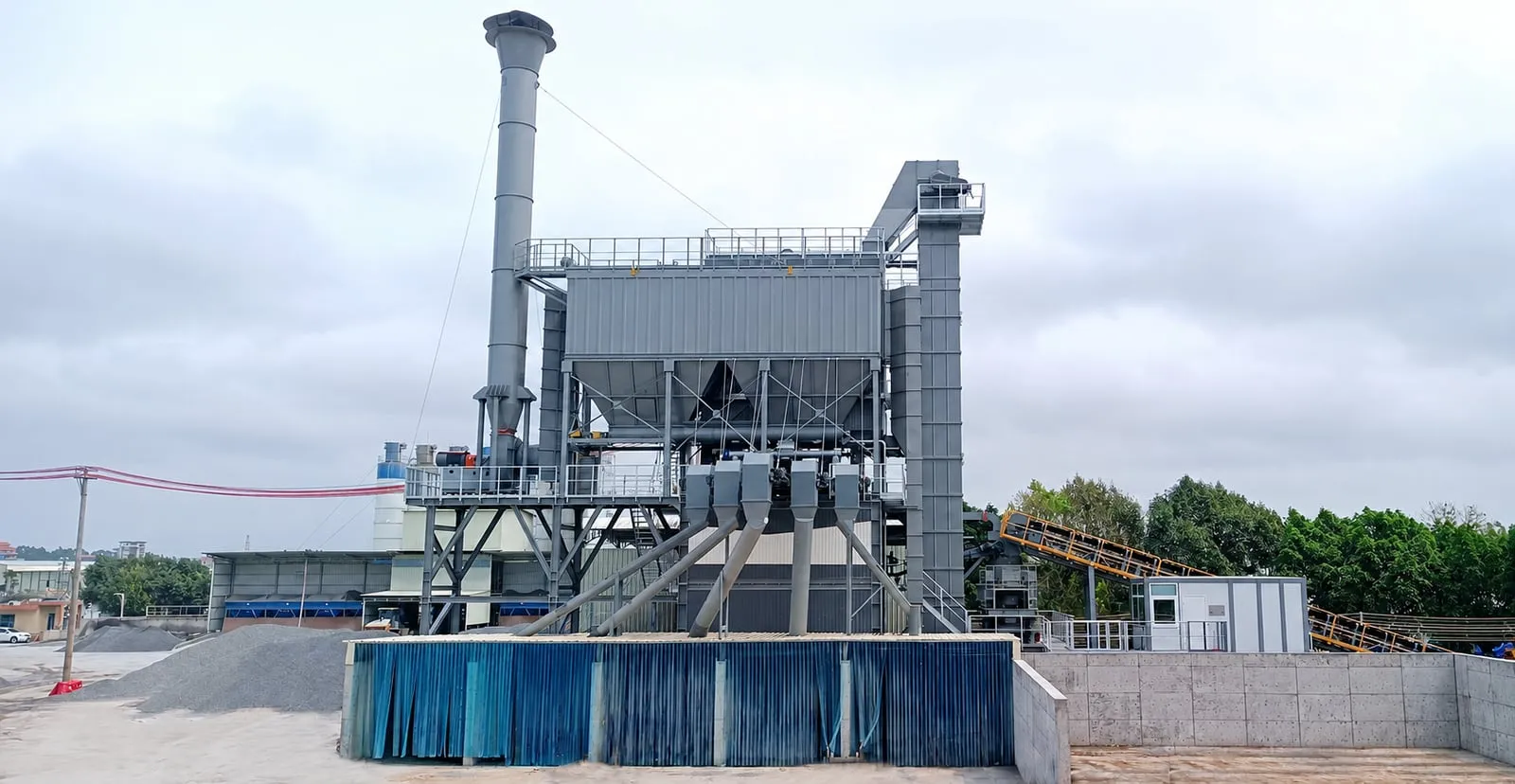
Enclosed plant layout
Cladding and enclosures around screens, conveyors and loading areas for sites close to homes or with strict dust rules.
Tell us: Distance to neighbours, noise and dust requirements in the permit
RAP recycling
Reclaimed asphalt saves binder and aggregate, but only if it is crushed, screened and fed at a controlled rate.
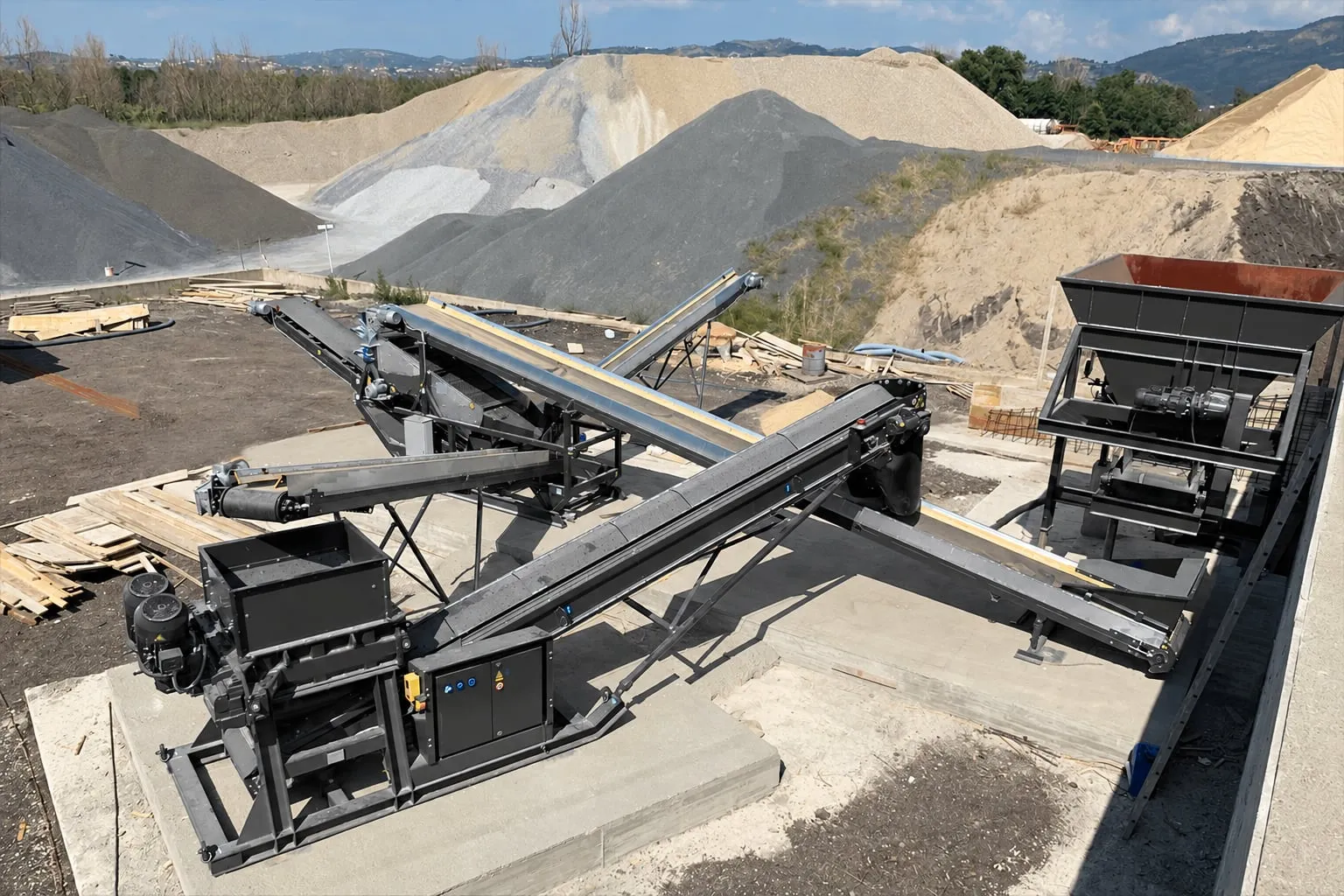
RAP crushing & screening
Crusher, screen and conveyors that turn milled pavement into sized RAP stockpiles.
Tell us: RAP source, lump size and moisture
RAP feed for batch plants
Cold RAP fed to the mixer or a separate RAP dryer for higher percentages, planned around the plant’s heat balance.
Tell us: Target RAP percentage and the specification that allows it
Tell us about your project
Share your required capacity, site location and fuel type — our engineers will recommend a suitable plant configuration.