
Screening, weighing & mixing
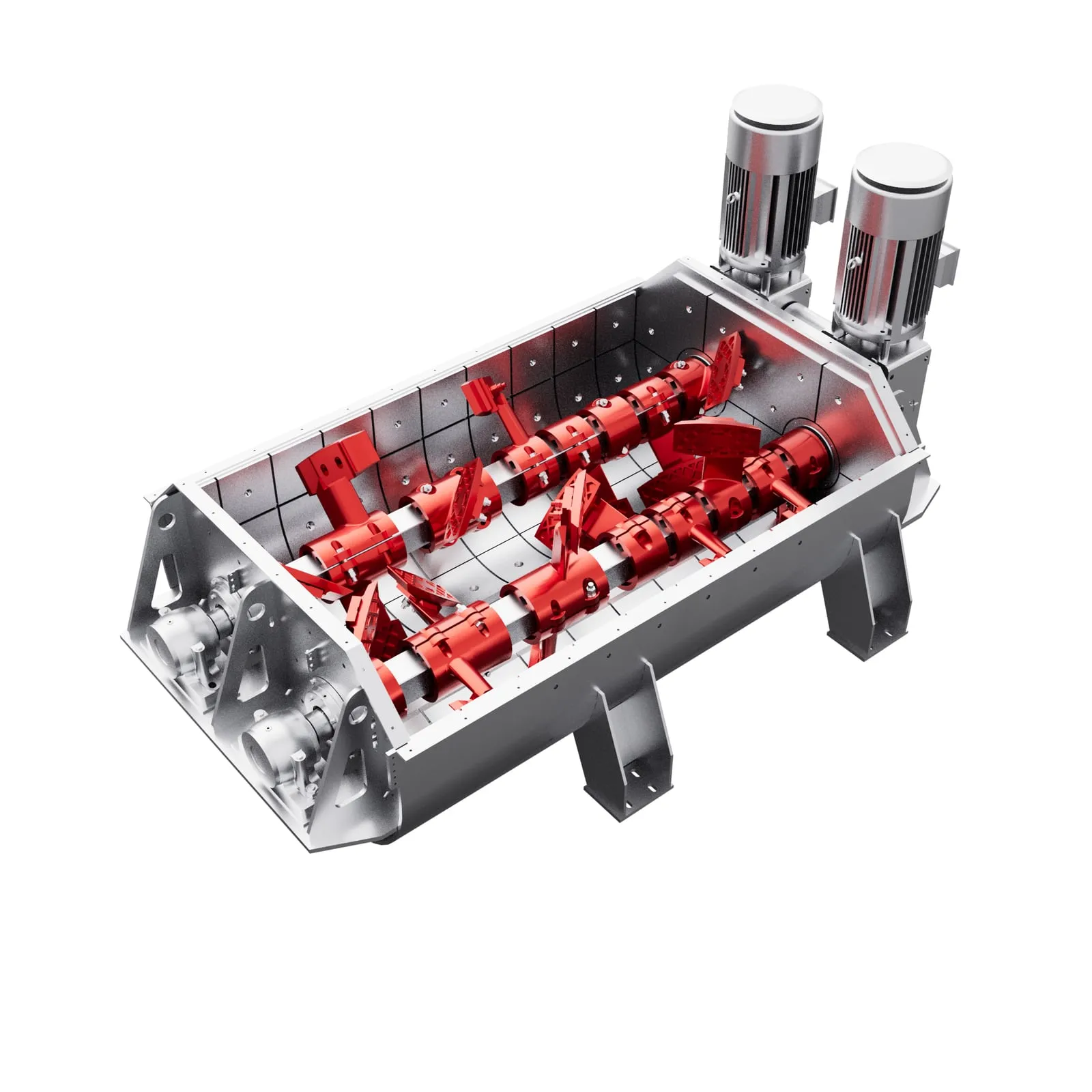
Twin-shaft pugmill mixer
The forced-action mixer where weighed aggregate, filler, bitumen and additives become asphalt mix.
Two counter-rotating shafts with paddle arms move the material across and along the mixer. Aggregate and filler are dry-mixed first, then bitumen is added and the batch is wet-mixed for a set time before the gate opens.
A good mixer is judged by uniform coating and a reliable batch cycle, not by motor power. Paddles and liners wear and must be easy to change.
How it works
- 01
Charging
Weighed aggregate and filler drop into the mixer.
- 02
Dry mix
A short dry mix spreads the filler through the stone.
- 03
Bitumen addition
Bitumen is sprayed in; fibres or additives join at their set time.
- 04
Wet mix
Mixing continues until all particles are coated.
- 05
Discharge
The gate opens to a truck or a hot storage silo; a sensor confirms it has closed.
Common configurations
Twin-shaft forced mixer
Standard for batch plants of all sizes.
Wear-resistant parts
Replaceable paddles, arms and liners.
Pneumatic discharge gate
Fast opening with position feedback.
Tell us before we quote
- Target batch time
- Additives or fibres added at the mixer
- Truck loading height or silo below the mixer
Check before ordering
- Timing between weighing, additive dosing and mixing
- Lock-out for safe entry during maintenance
- Clearance under the mixer for trucks
- Spare paddle and liner set
Questions
How long is a mixing cycle?
It depends on the mix and specification. Dry and wet mixing times are set in the recipe and confirmed during commissioning with the mix you will produce.
Related
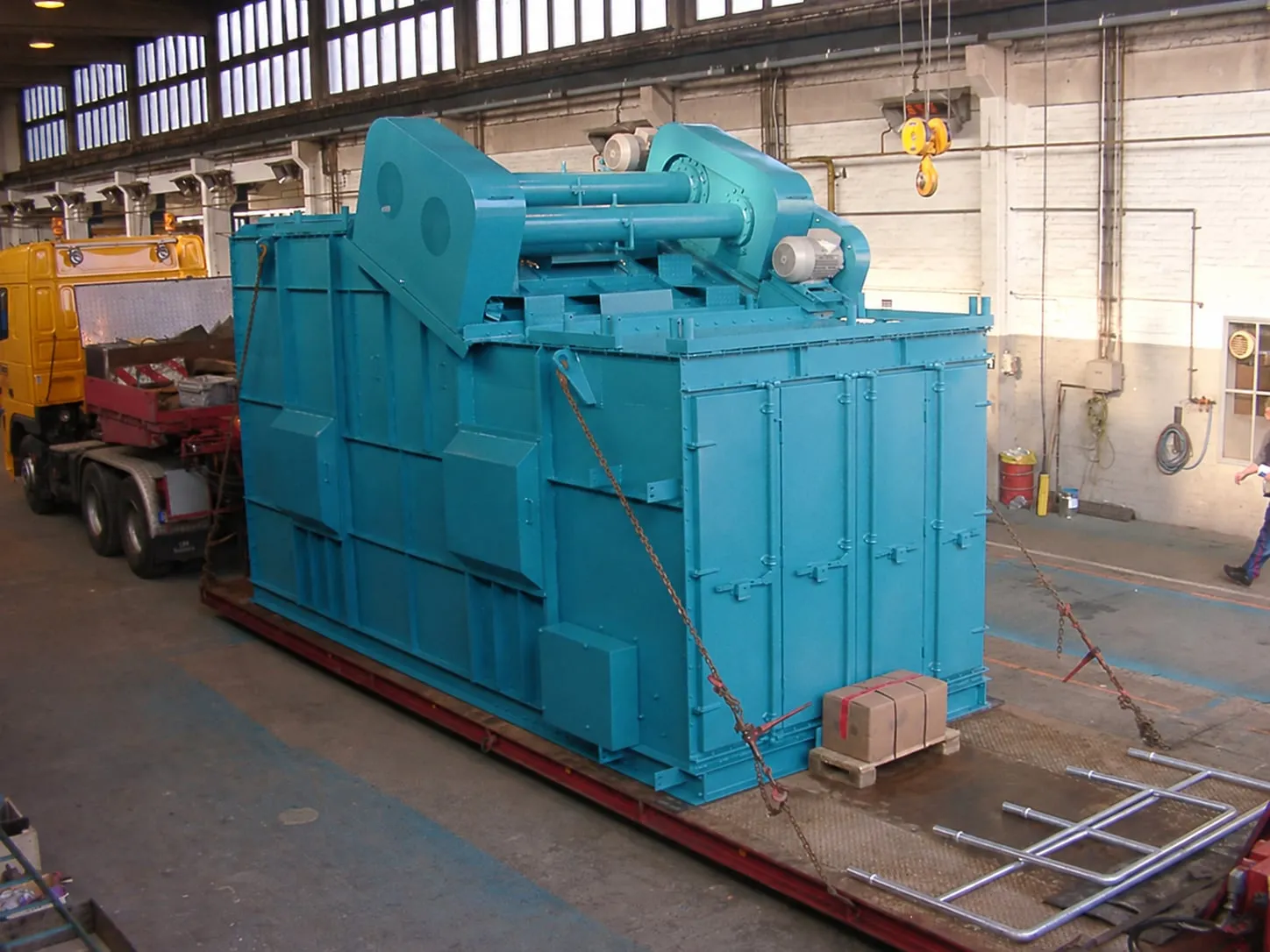 Hot elevator, screen & weighingThe part of a batch plant that lifts hot aggregate, splits it by size and weighs every component for each batch.
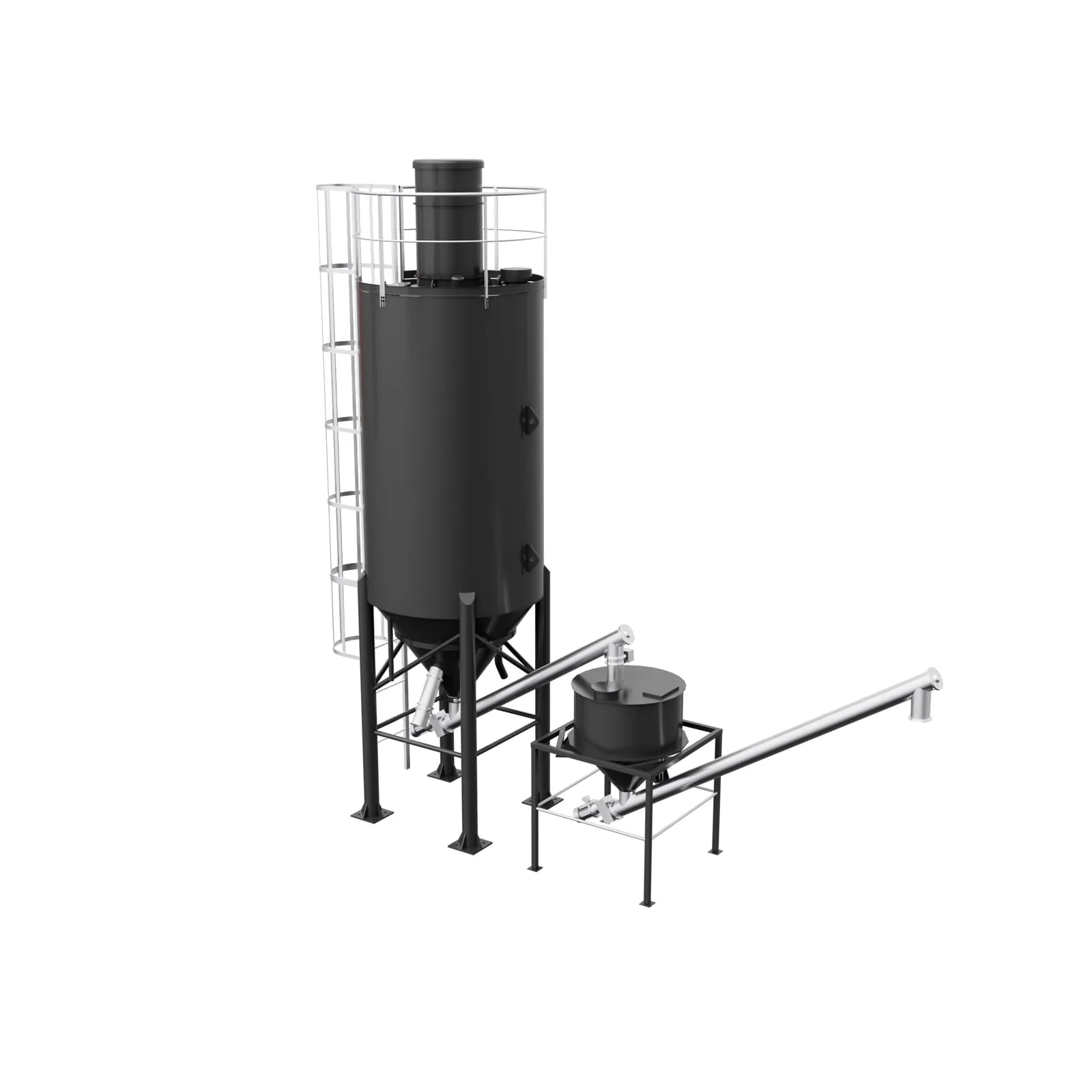 Filler & additive systemsSeparate storage and feeding for new filler, reclaimed dust and mix additives such as fibres.
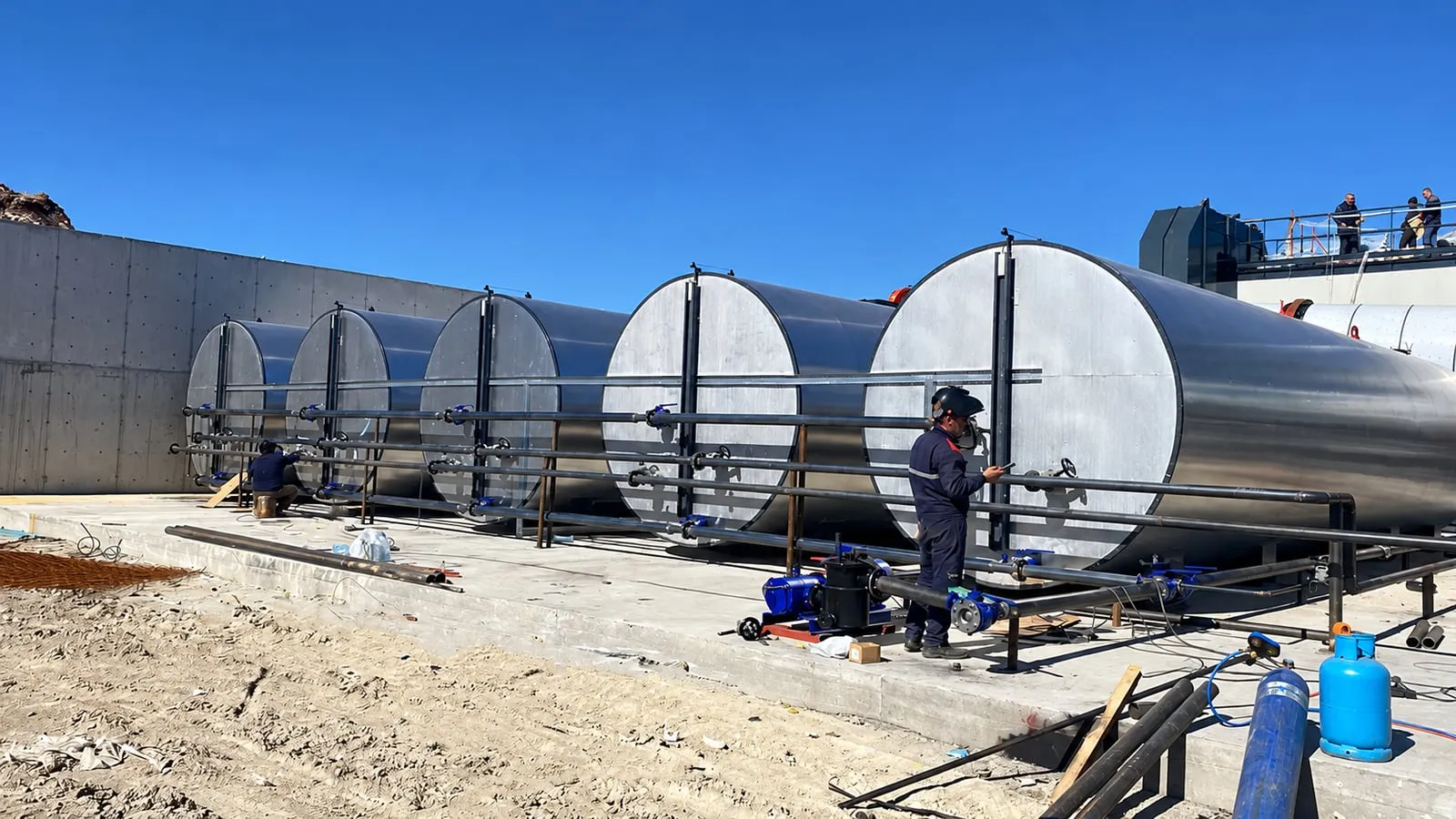 Bitumen tanks & pumpsInsulated tanks, heated pipes and jacketed pumps that keep bitumen hot and moving from delivery to the scale.
Tell us about your project
Share your required capacity, site location and fuel type — our engineers will recommend a suitable plant configuration.