
Aggregate feeding & drying
Cold aggregate feed system
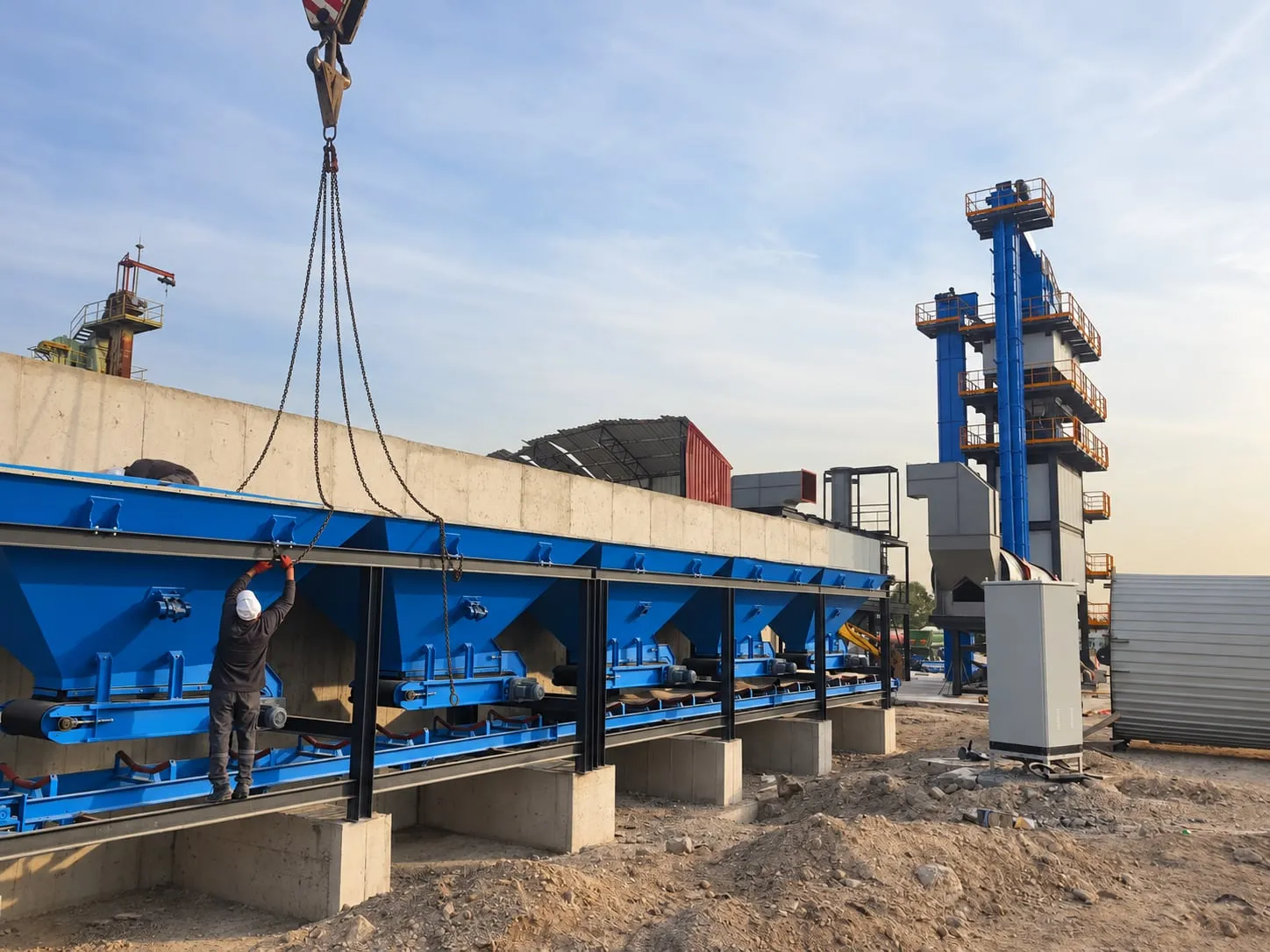
Separate bins for every aggregate size, variable-speed feeders and the conveyors that carry the blend to the drying drum.
Every asphalt mix starts as a blend of cold aggregates. The feed system stores each size separately and releases it at a set rate onto a collecting belt, so the material entering the dryer already follows the recipe.
In a batch plant the hot screen corrects small errors later; in a drum plant there is no hot screening, so cold feed accuracy decides the final gradation. The number of bins follows your recipes and the sizes you buy — not a fixed number per model.
How it works
- 01
Loading
Wheel loaders fill each bin with one size; dividers on top stop sizes spilling into the next bin.
- 02
Metering
A variable-speed belt feeder under each bin sets its share of the blend; no-flow sensors warn when a bin runs empty.
- 03
Collecting
A horizontal belt gathers all sizes into one stream.
- 04
Scalping
A coarse screen removes oversize stones, lumps and debris before they reach the dryer.
- 05
Feeding the dryer
An inclined belt carries the blend up to the drum inlet.
Common configurations
Multi-bin feeder line
Four to six bins in a row, each with its own feeder and speed control.
Feeders with weighing
Belt scales report actual flow, useful for drum plants and RAP addition.
Mobile bins
Bins mounted on a chassis for trailer-mounted plants.
Tell us before we quote
- Number of aggregate sizes in your recipes
- Maximum stone size and whether sand is wet or sticky
- Loader bucket width and how bins will be filled
- Rainy season — whether bins need covers
Check before ordering
- Loader access and ramp at the bin side
- Drop heights between belts and how spillage is cleaned
- Belt alignment switches and emergency pull-cords
- Stockpile layout so sizes do not mix before they reach the bins
Questions
How many cold feed bins does an asphalt plant need?
One per aggregate size you use, plus a spare if recipes change. Most road mixes use four to six sizes, but the right number comes from your gradations, not from the plant model.
Does a scalping screen replace gradation control?
No. It only removes oversize material. Gradation is controlled by the feeders and, in a batch plant, by the hot screen and hot bins.
Related
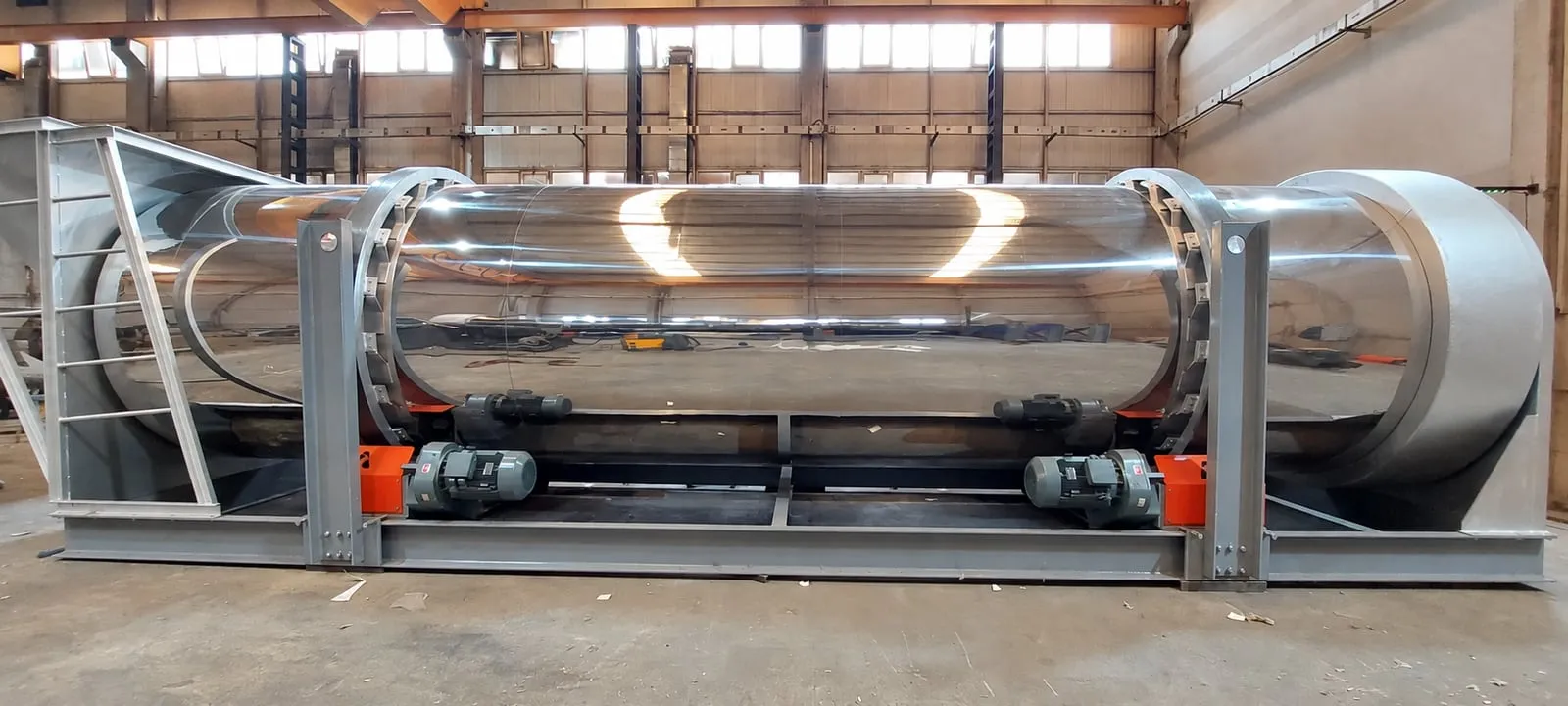 Drying drumThe rotating drum that removes moisture and heats aggregate to mixing temperature before it goes to the screen.
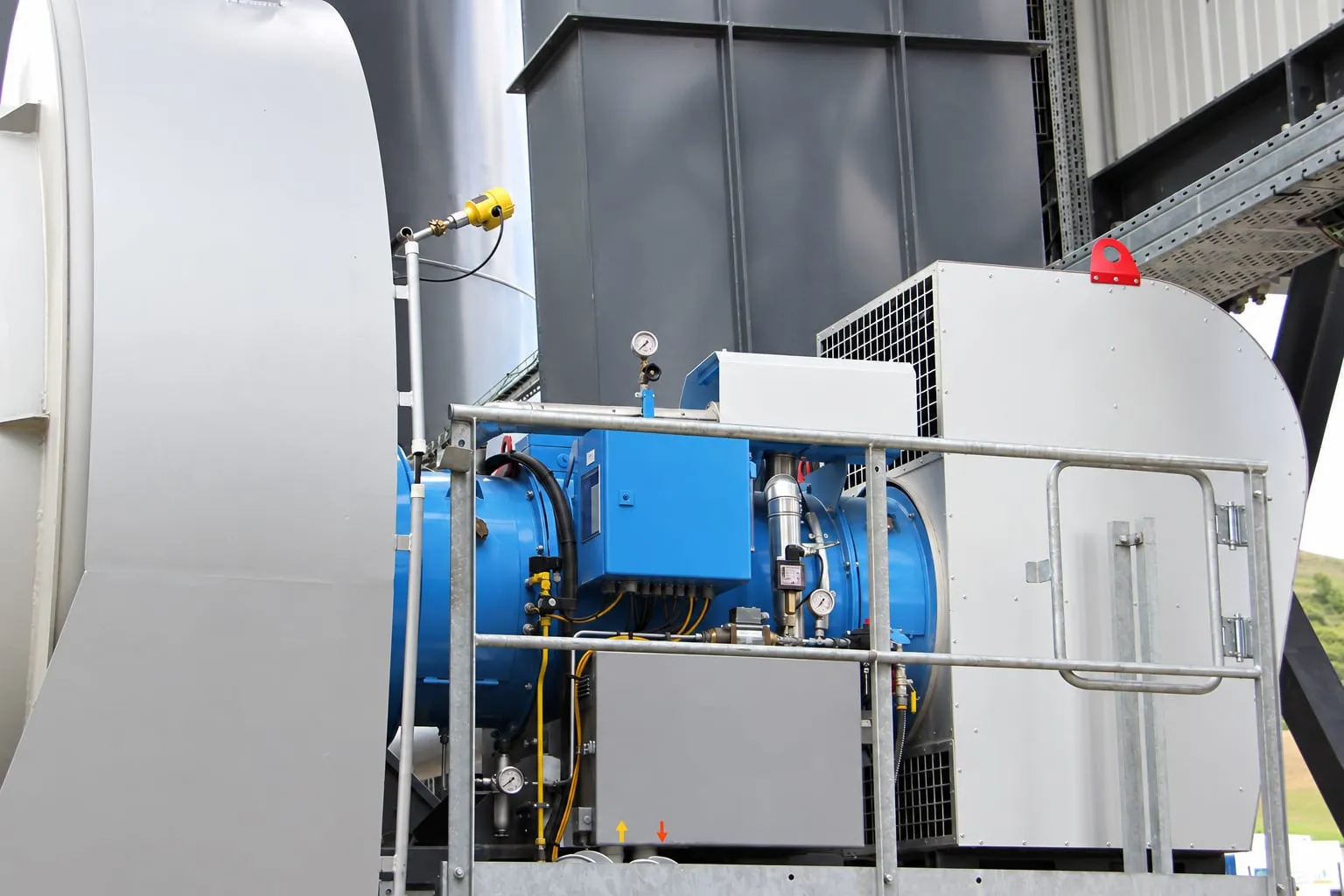 Burner & fuel systemBurners matched to the fuel you can buy on site, with the storage, pumps and safety interlocks they need.
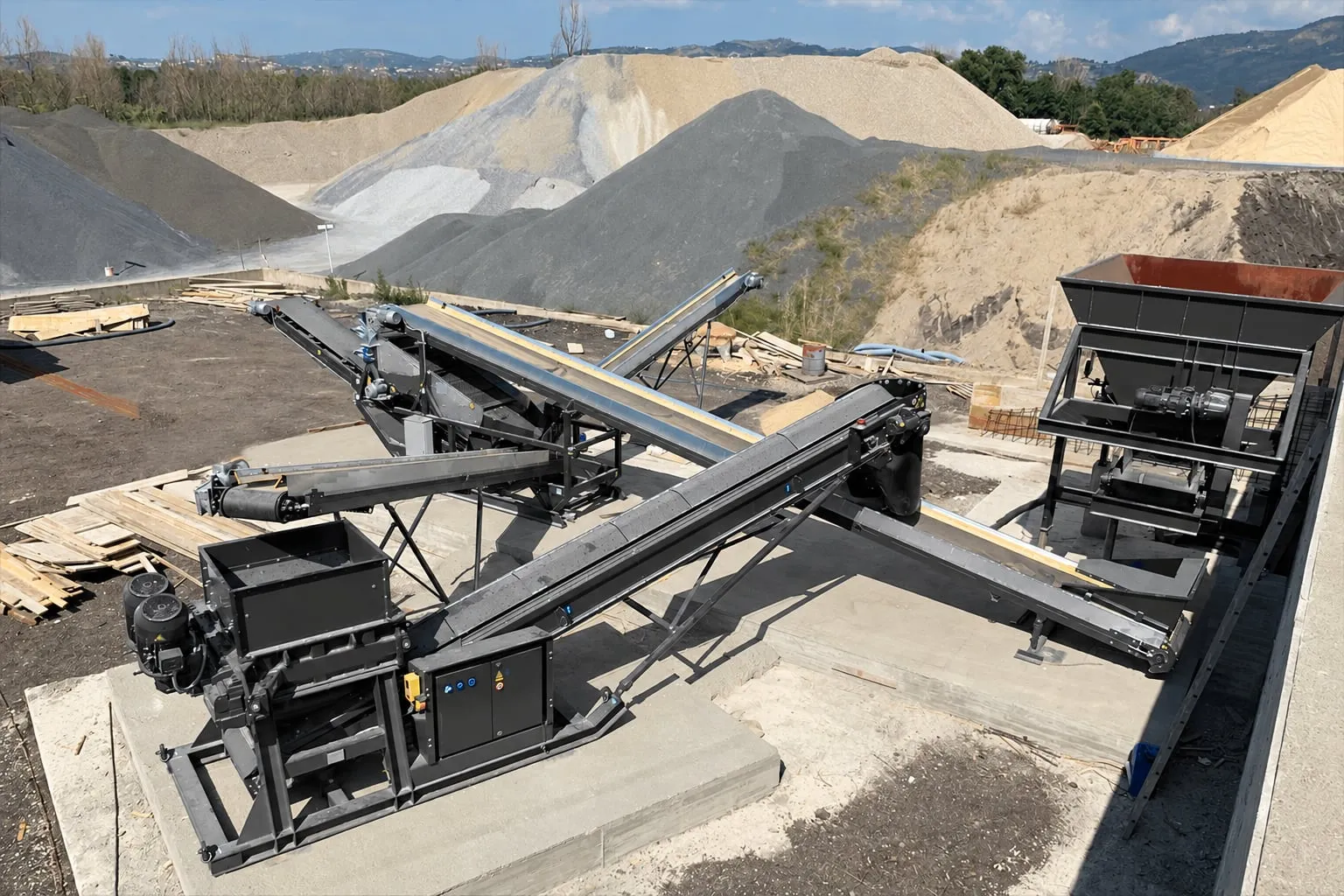 RAP recyclingCrushing, screening and feeding reclaimed asphalt pavement (RAP) so it can replace part of the new aggregate and binder.
Tell us about your project
Share your required capacity, site location and fuel type — our engineers will recommend a suitable plant configuration.