
Aggregate feeding & drying
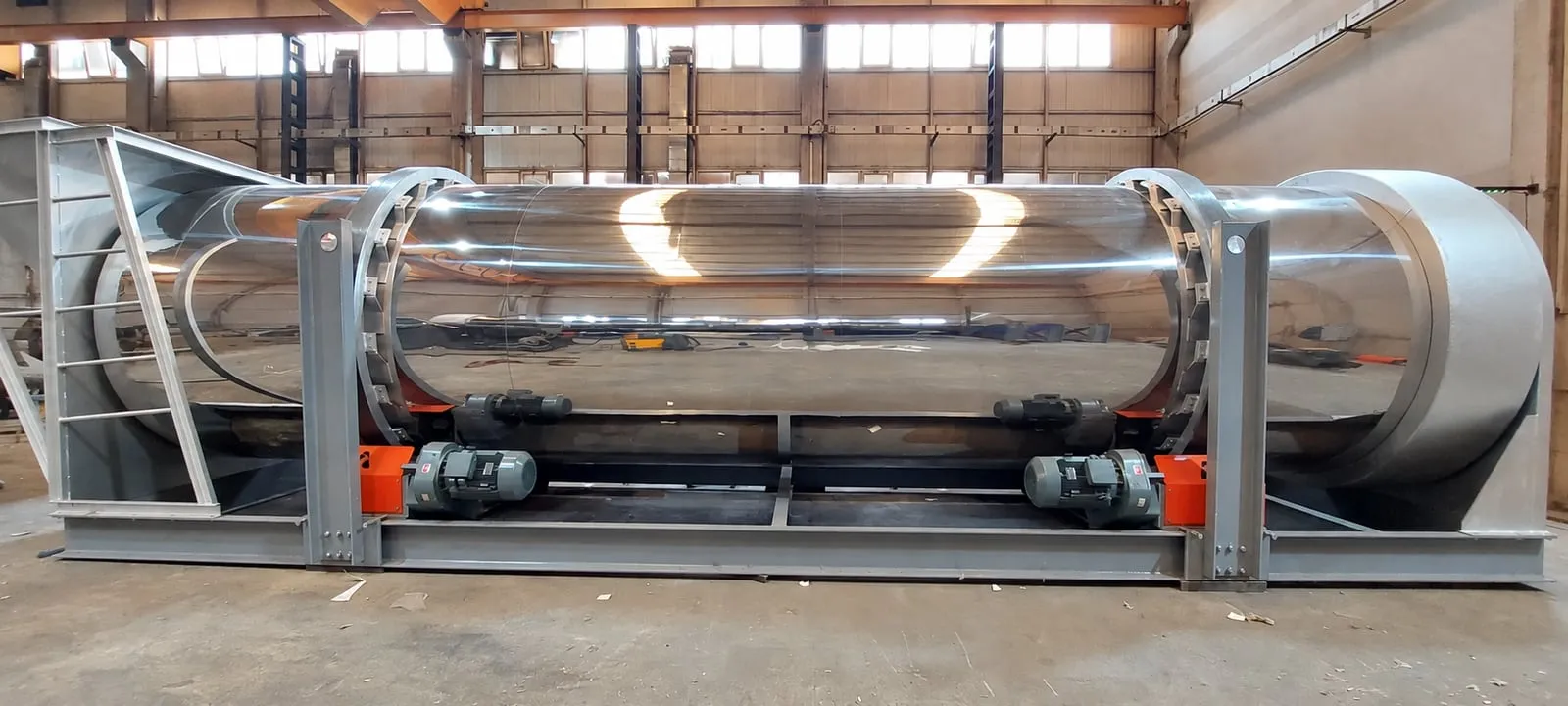
Aggregate drying drum
The rotating drum that removes moisture and heats aggregate to mixing temperature before it goes to the screen.
Inside the drum, lifting flights carry aggregate up and drop it through the hot gas from the burner. Water evaporates first, then the stone heats up to the temperature the mix needs.
Drying is usually the bottleneck of the whole plant: the wetter the aggregate, the less tonnage the same drum and burner can deliver. That is why we ask for moisture before we size anything. In a batch plant the drum only dries; in a drum mix plant one drum both dries and mixes — the two are not interchangeable.
How it works
- 01
Feed
Cold aggregate enters at the end away from the burner (counter-flow).
- 02
Heat exchange
Flights shower the stone through the hot gas stream as the drum turns.
- 03
Drying and heating
Moisture is driven off, then the aggregate reaches discharge temperature.
- 04
Temperature check
A sensor at the discharge chute feeds back to the burner control.
- 05
Discharge
Hot aggregate drops into the hot elevator; exhaust gas goes to the dust collector.
Common configurations
Counter-flow dryer
Aggregate and gas move in opposite directions for efficient heat use.
Insulated drum shell
Cladding reduces heat loss and protects operators.
Replaceable flights
Flight sets that can be changed as they wear.
Tell us before we quote
- Typical and maximum aggregate moisture
- Required mix discharge temperature
- Site altitude and lowest working temperature
- Fuel you will use
Check before ordering
- Output, fuel use and exhaust volume compared at the same moisture
- Drive and trunnion access for maintenance
- Duct connection to the baghouse
- Temperature sensor position and calibration
Questions
Why does wet aggregate reduce plant output?
The burner has to evaporate the water before it can heat the stone. More water means more heat per tonne, so the same drum and burner dry fewer tonnes per hour.
Can I compare dryers by drum diameter alone?
No. Compare output, fuel consumption and exhaust volume at the same aggregate moisture and discharge temperature.
Related
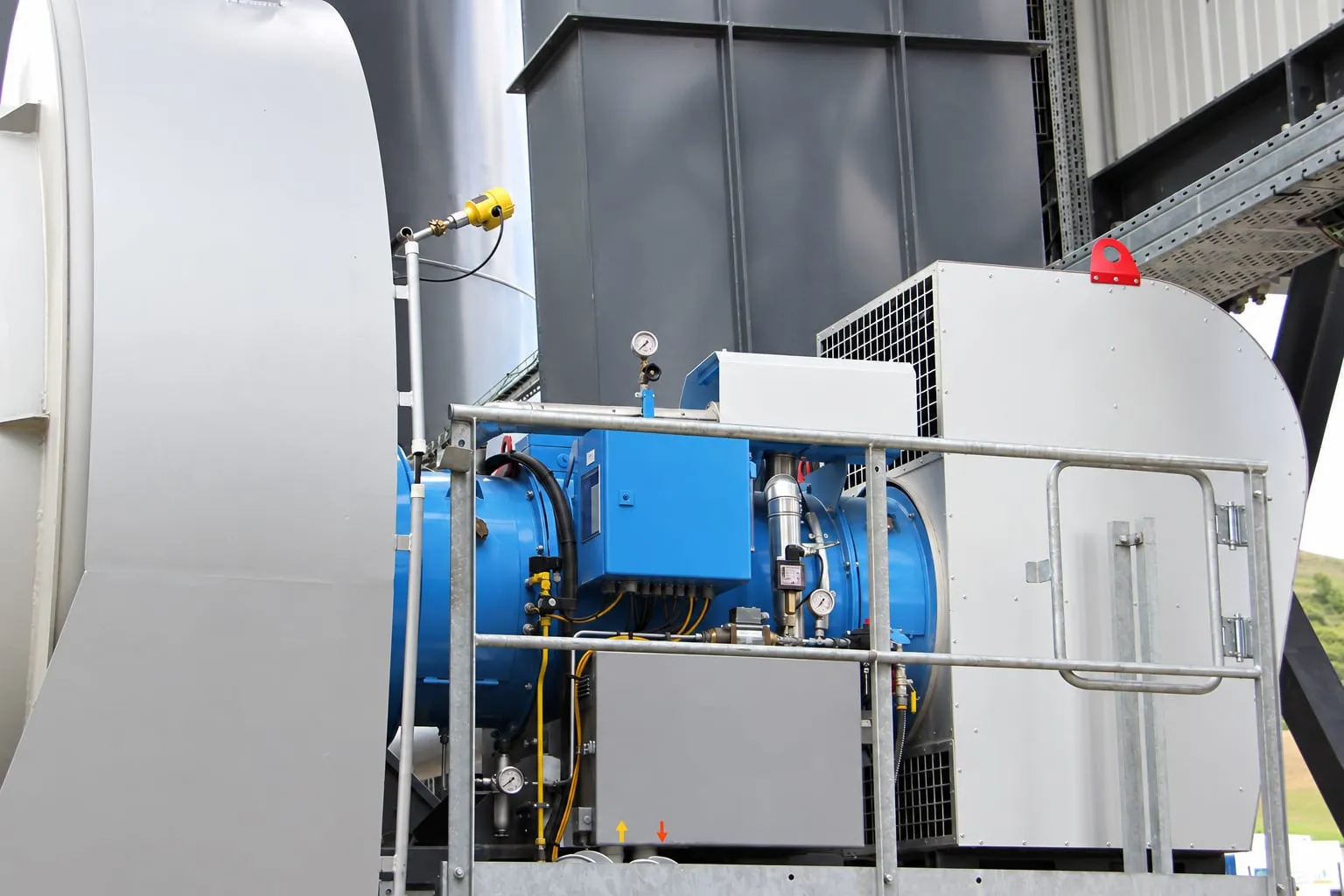 Burner & fuel systemBurners matched to the fuel you can buy on site, with the storage, pumps and safety interlocks they need.
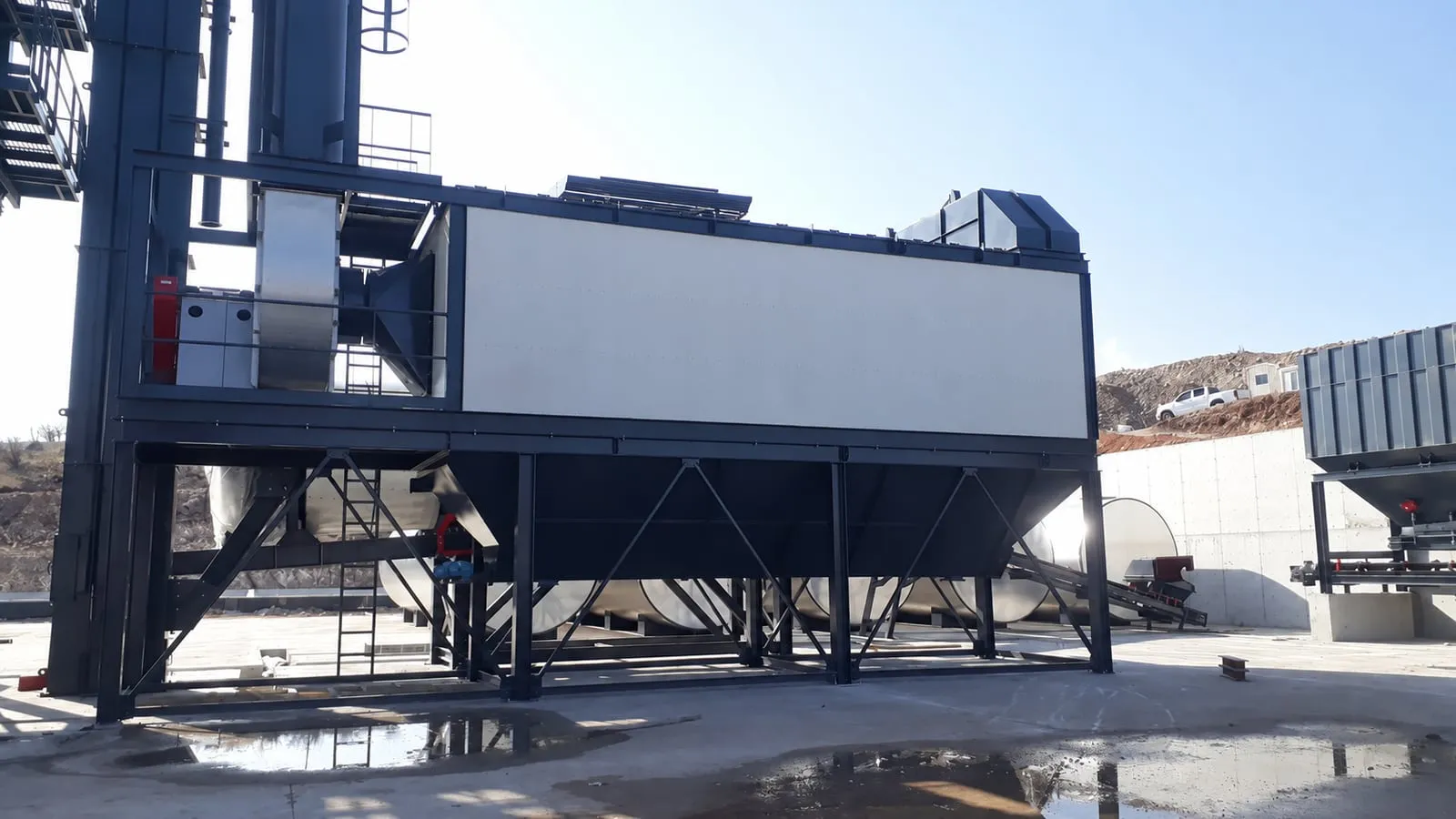 Baghouse & dust controlBag filters and local extraction that keep dryer exhaust and plant dust under control.
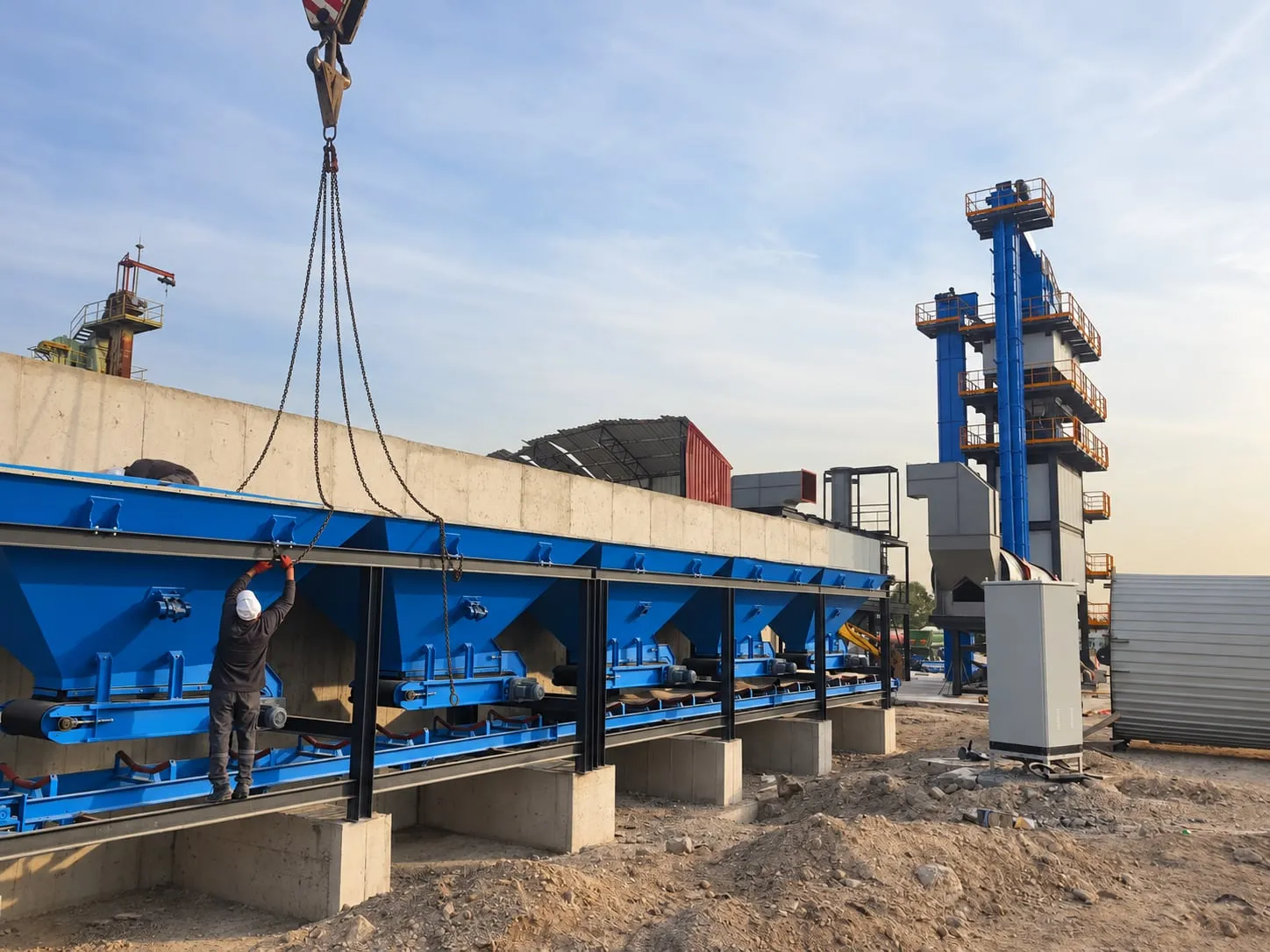 Cold feed systemSeparate bins for every aggregate size, variable-speed feeders and the conveyors that carry the blend to the drying drum.
Tell us about your project
Share your required capacity, site location and fuel type — our engineers will recommend a suitable plant configuration.