
Dust control & emissions
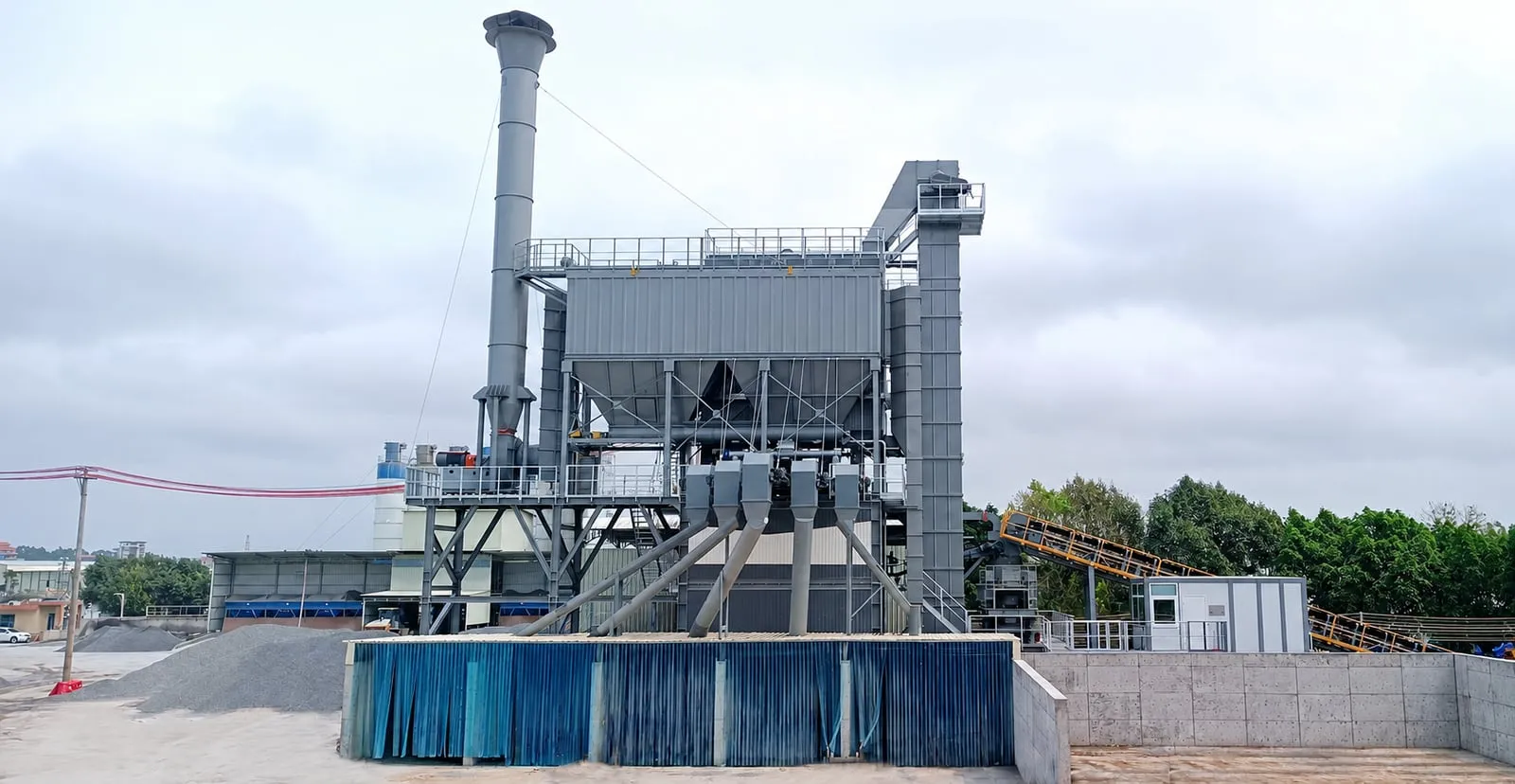
Enclosed asphalt plant configuration
Cladding and enclosures around the noisiest and dustiest parts of the plant for sites with strict permits.
An enclosed configuration is not a separate plant type — it can be added to most batch or drum plants. The tower, screens, conveyors and loading area are clad, and dust is drawn from inside the enclosure to collectors.
Enclosures must leave room for maintenance, ventilation and fire safety, so we plan them with the layout rather than adding them afterwards.
How it works
- 01
Mapping sources
Dust, noise and fume sources are identified.
- 02
Enclosing
Cladding or full buildings around the chosen areas.
- 03
Extraction
Negative pressure draws air to dust collectors.
- 04
Access
Doors, walkways and ventilation for maintenance.
Common configurations
Clad mixing tower
Panels around the tower and screen.
Enclosed loading
Curtains or a building around truck loading.
Full production hall
Whole production area under one roof.
Tell us before we quote
- Distance to the nearest homes
- Dust, noise and odour limits in the permit
- Climate — ventilation needs differ in hot regions
Check before ordering
- Fire safety and heat around the dryer and burner
- Ventilation and air flow balance
- Access for crane and maintenance
Questions
Can an existing plant be enclosed later?
Often yes, but structure, access and ventilation must be checked first. It is easier and cheaper to plan enclosures with the original layout.
Related
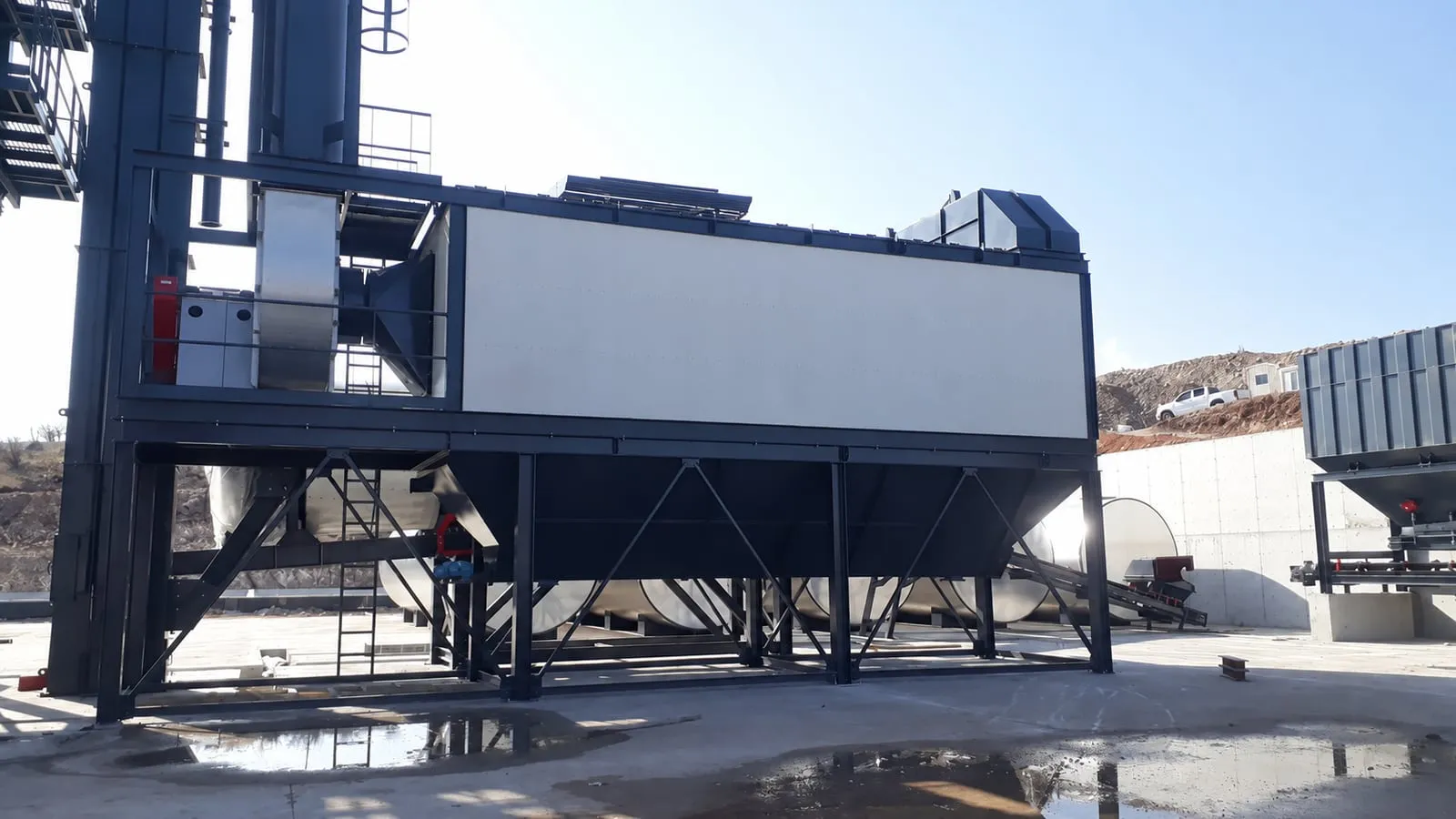 Baghouse & dust controlBag filters and local extraction that keep dryer exhaust and plant dust under control.
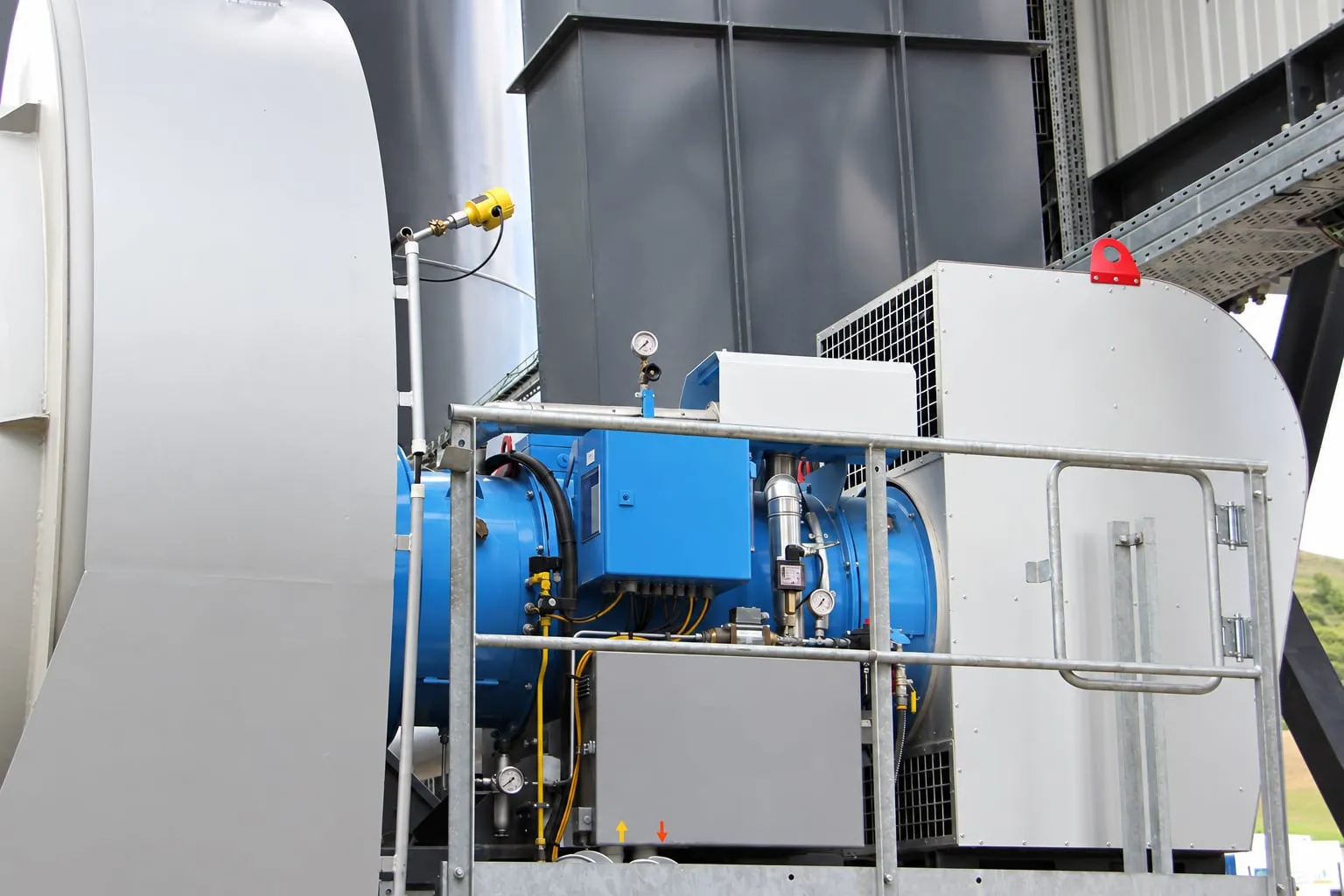 Plant upgradesNew burners, dust collectors, RAP feeds or controls for the plant you already have — checked against the whole plant first.
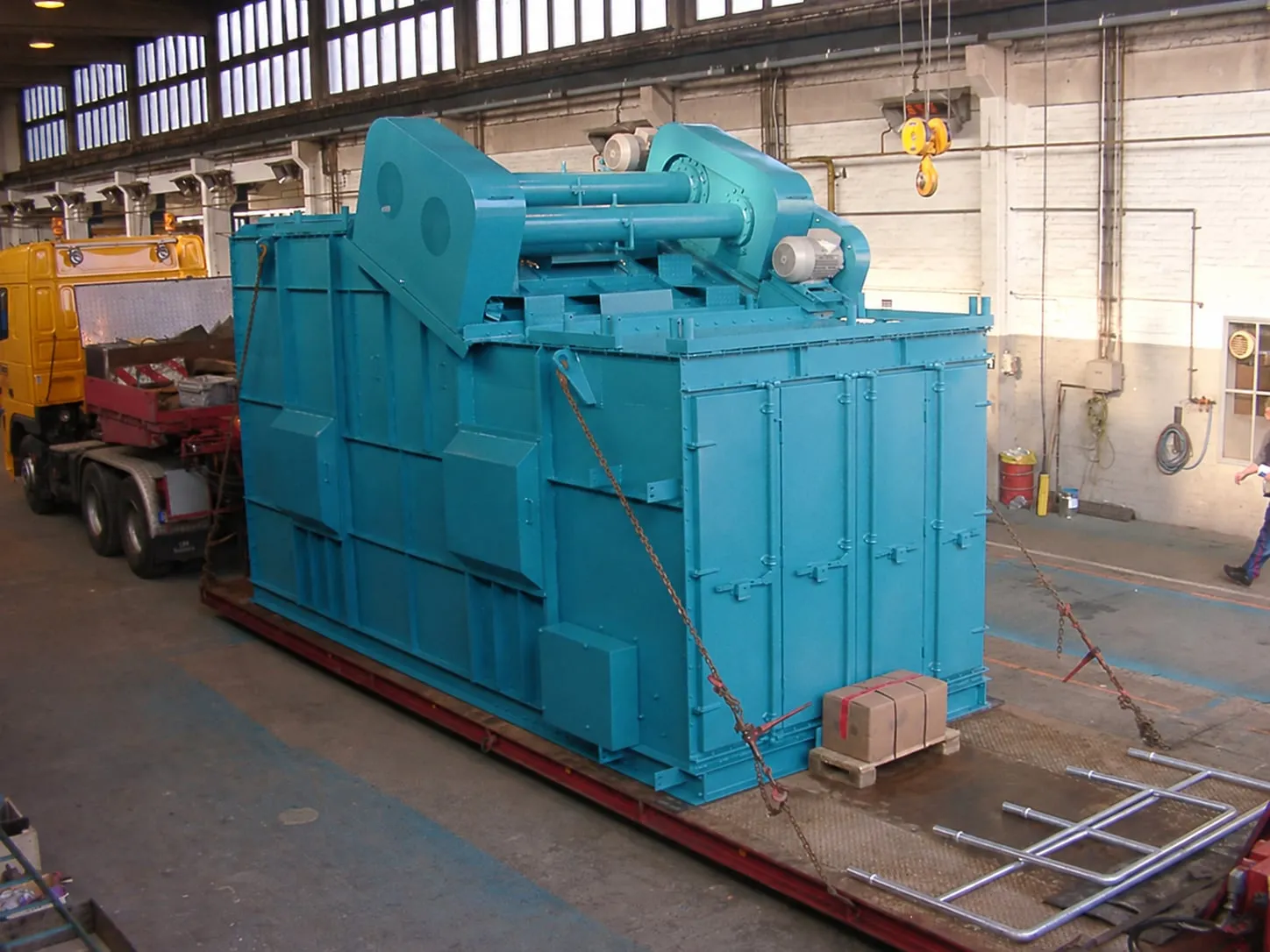 Hot elevator, screen & weighingThe part of a batch plant that lifts hot aggregate, splits it by size and weighs every component for each batch.
Tell us about your project
Share your required capacity, site location and fuel type — our engineers will recommend a suitable plant configuration.