
Bitumen storage & processing
Thermal oil heater and circulation
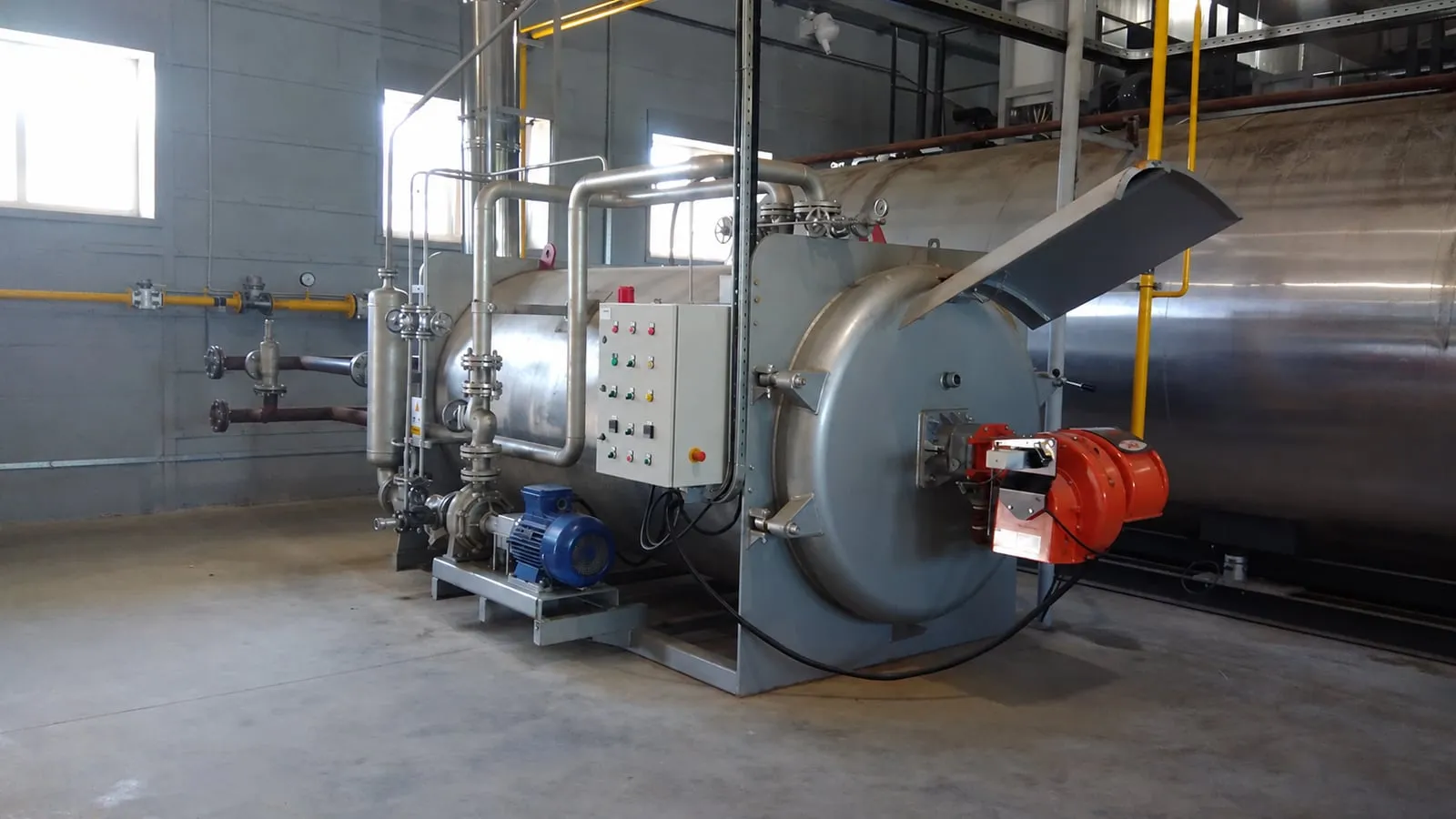
The heater and pumps that circulate hot oil to every bitumen tank, pipe and pump in the plant.
Bitumen is heated indirectly: a heater warms thermal oil, and pumps circulate the oil through coils in the tanks and jackets on pipes and pumps. This keeps temperatures even and avoids overheating the binder.
The heater is sized from everything it must heat at the same time — tanks, decanter, modified bitumen unit — and it is a separate system from the dryer burner.
How it works
- 01
Heating
An oil or gas burner heats the thermal oil.
- 02
Circulation
Pumps send the oil through the plant’s heating circuits.
- 03
Heat transfer
Coils and jackets pass heat to the bitumen.
- 04
Return and expansion
Oil returns to the heater; an expansion tank absorbs volume changes.
Common configurations
Oil-fired heater
Common where gas is not available.
Gas-fired heater
Where a gas supply exists.
Split circuits
Separate loops for tanks, pipes and process equipment.
Tell us before we quote
- Fuel for the heater
- Tanks, decanter and other users to be heated
- Lowest ambient temperature on site
Check before ordering
- Heating load when all users run together
- Expansion tank, venting and drain points
- Pipe insulation by supplier or owner
Questions
Can the dryer burner heat the bitumen tanks?
No. The dryer burner heats aggregate. Tanks and pipes are heated by a separate thermal oil heater sized for that job.
Related
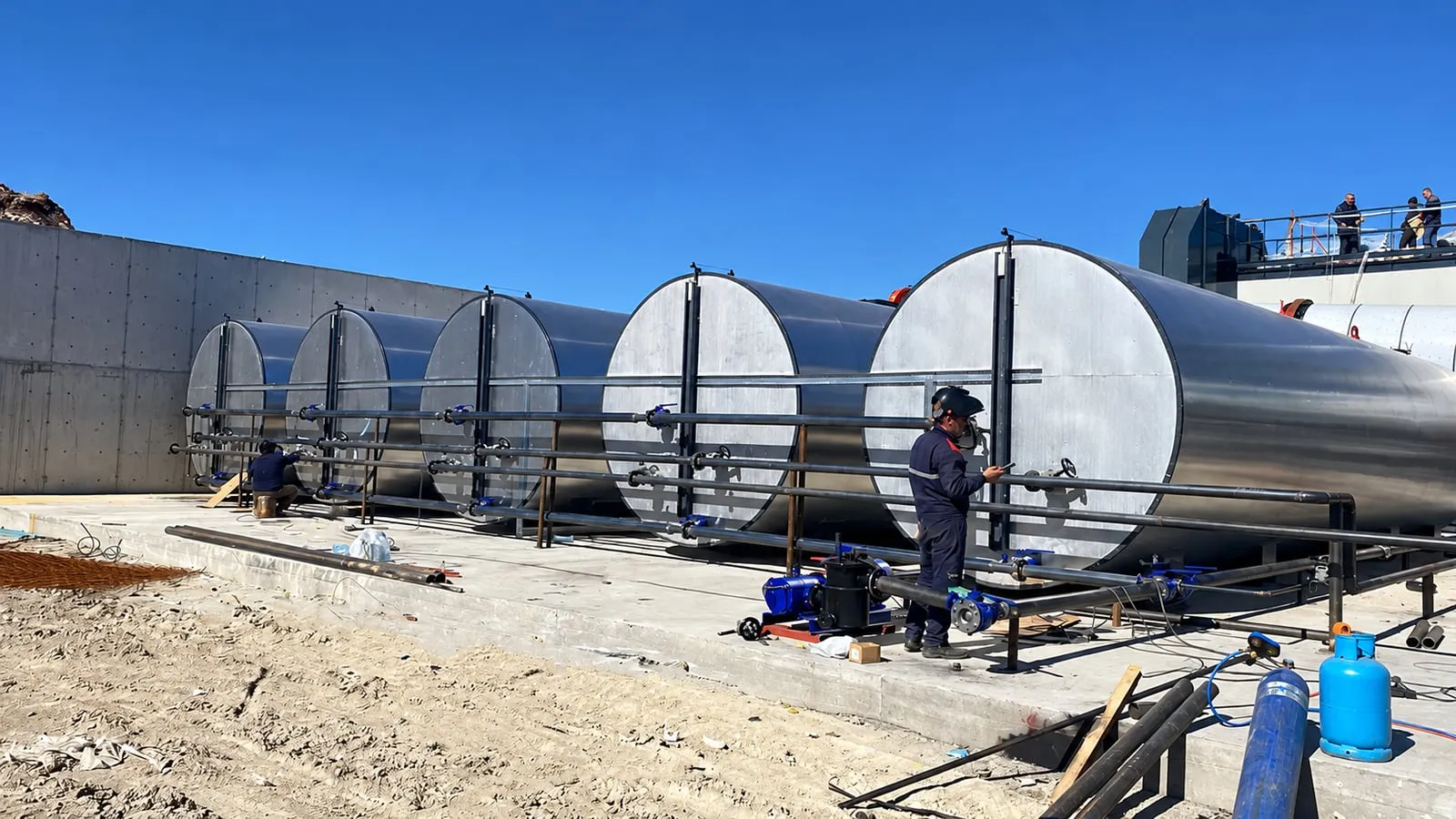 Bitumen tanks & pumpsInsulated tanks, heated pipes and jacketed pumps that keep bitumen hot and moving from delivery to the scale.
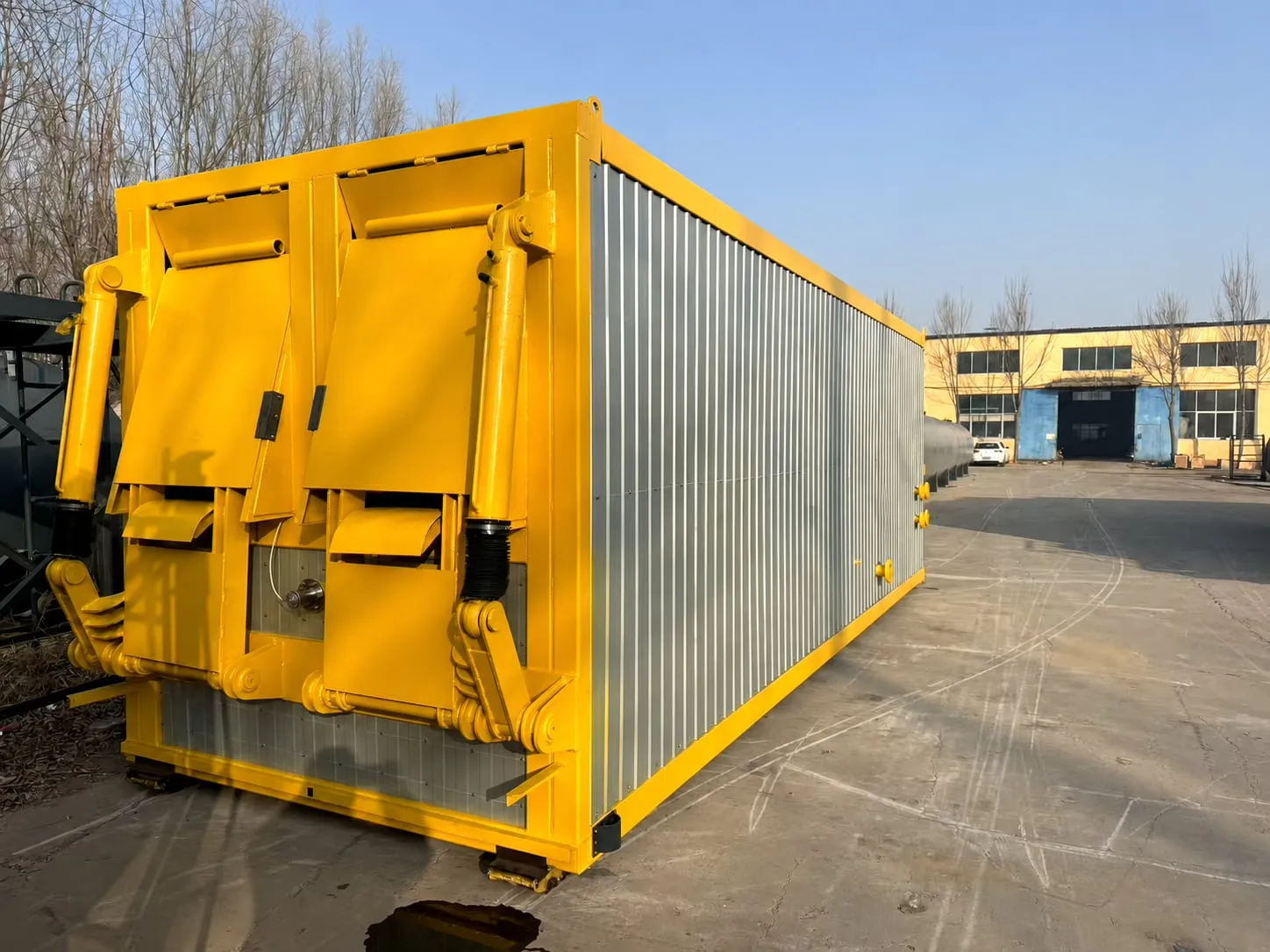 Bitumen decanterA heated chamber that melts bitumen out of drums or bags where hot bulk bitumen is not available.
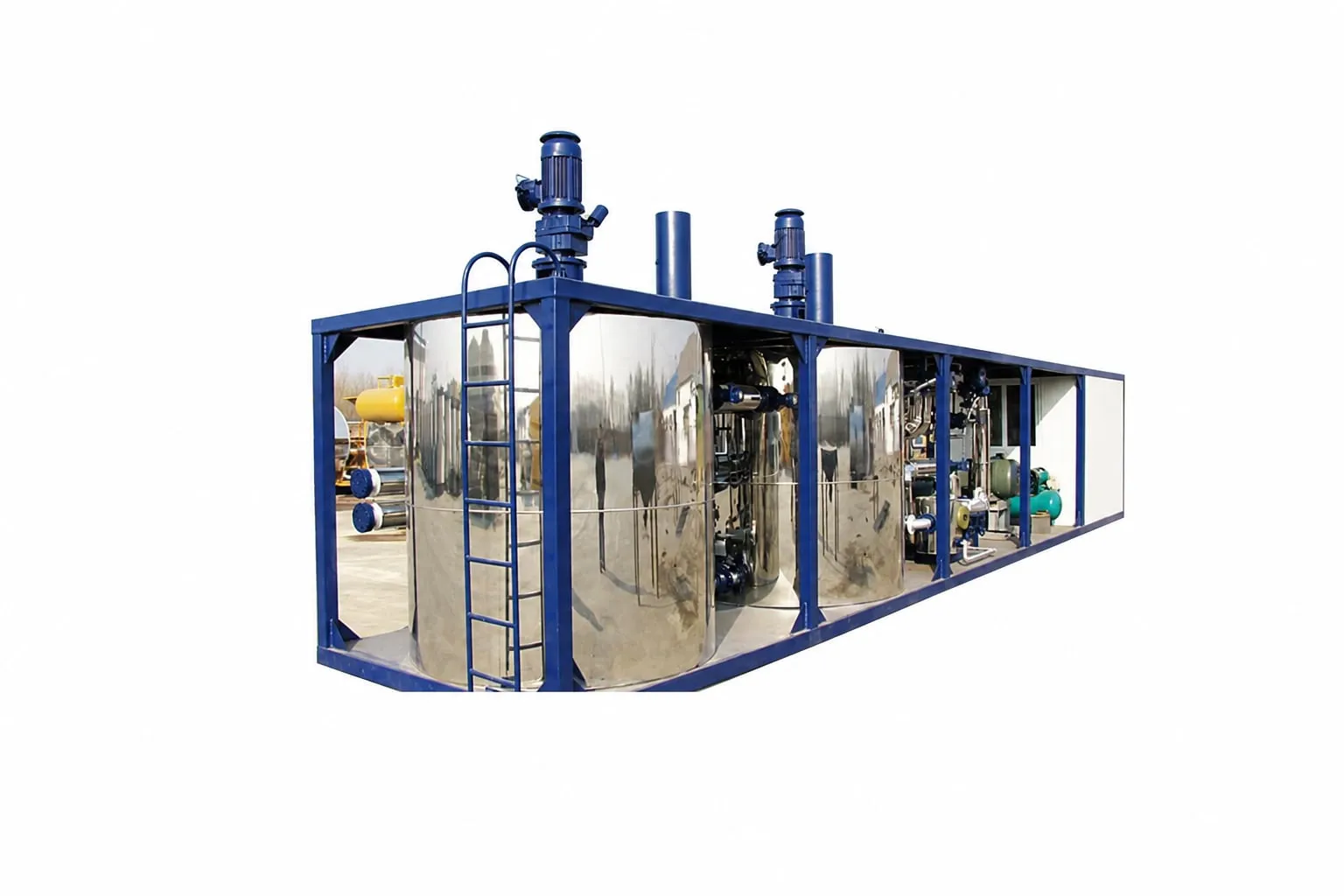 Modified bitumen plantEquipment to produce polymer modified bitumen (PMB) on site instead of buying it ready-made.
Tell us about your project
Share your required capacity, site location and fuel type — our engineers will recommend a suitable plant configuration.