Short answer: an asphalt batch mix plant makes asphalt one batch at a time. Cold aggregate is dried and heated, screened into size fractions, then aggregate, filler and bitumen are weighed separately and discharged into a mixer. Because every batch is weighed, the plant follows the recipe closely and can change recipe quickly.
How a batch plant works
The material flows through the plant in this order:
- Cold feed bins hold each aggregate size; variable-speed feeders set the proportions. Details: cold feed system.
- Drying drum and burner remove moisture and bring the aggregate to mixing temperature. Details: drying drum, burner and fuel.
- Hot elevator lifts the hot aggregate to the top of the tower.
- Vibrating screen splits it into fractions and rejects oversize stones.
- Hot bins store each fraction, so the next batch can be weighed while the mixer is still working.
- Weighing hoppers measure aggregate, filler and bitumen on separate scales. Details: screening and weighing.
- Twin-shaft mixer blends the batch under forced action. Details: twin-shaft mixer.
- Baghouse and PLC control clean the exhaust and keep a record of every batch. Details: baghouse dust collection.
When to choose a batch plant
| Your project | Why batch fits |
|---|---|
| Several mix recipes in one week (base, binder, wearing course, SMA) | Recipes are stored in the PLC and switched between batches |
| Tight specifications, such as airports or expressways | Each ingredient is weighed per batch and recorded |
| Polymer-modified bitumen, fibres or other additives | Additives are dosed into the mixer per batch |
| Higher shares of reclaimed asphalt | The mixer and a separate RAP system can be planned around the heat balance |
If you run one standard mix for months, a drum plant may be simpler. The comparison table on the products page lists every series side by side.
The three HMAMIX batch series
| Series | Type | Models | Capacity | Best for |
|---|---|---|---|---|
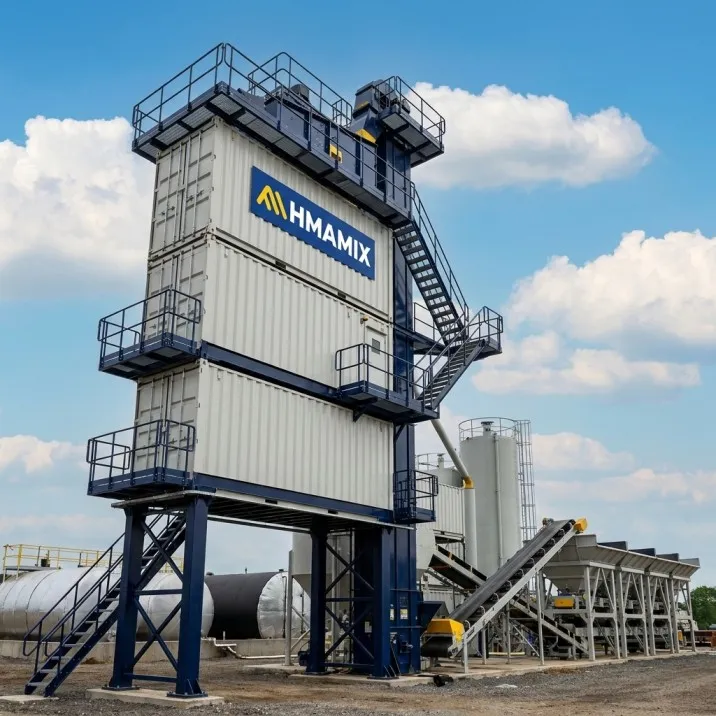
| HMA-C | Containerized | HMA-C80 to HMA-C400 | 80–400 t/h | Export projects shipped by sea and projects that relocate |
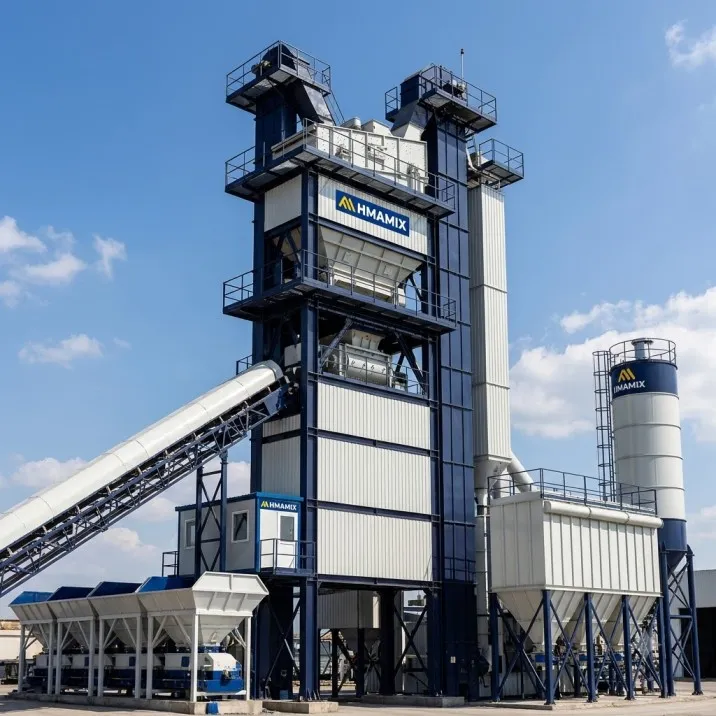
| HMA-BS | Stationary | HMA-BS80 to HMA-BS400 | 80–400 t/h | Long-term, high-volume work such as highways and airports |
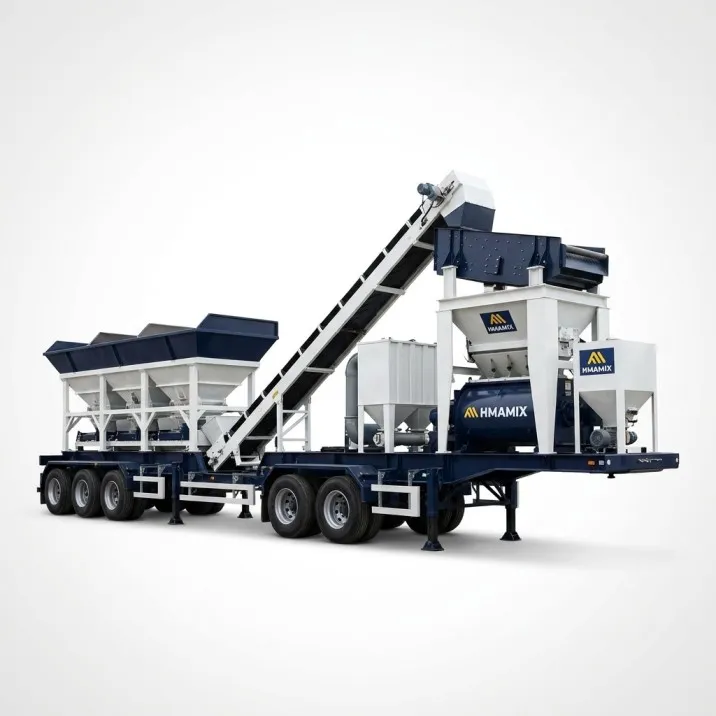
| HMA-BM | Mobile (trailer) | HMA-BM80 to HMA-BM200 | 80–200 t/h | Projects that move often but still need precise batch weighing |
Configurations can be customized for fuel, bitumen storage, RAP feed and enclosures. All series are ISO, CE and EAC certified and carry a 15-month warranty.
What we need to know before we size a plant
- Daily and peak tonnage, and the mix types you produce.
- Aggregate sizes and typical moisture.
- Fuel available on site, and how bitumen arrives (tanker, drums or bags).
- Site layout, power supply and whether the plant must move.
Send these through the quotation form; our engineers reply with a configuration and a written scope of supply. See project planning for how that works.